Song Meaning
The lyrics paint a stark picture of a life that's been suppressed and dulled, a former self now struggling to re-emerge. The opening lines describe a deliberate "vanish" from simpler joys, a retreat into hiding and a world that feels overwhelming and disorienting, leaving the narrator "drugged up, glassy eyed." This suggests a profound disconnect from reality, a loss of agency where the narrator feels like a "puppet on a string," driven by conflicting internal forces.
The central tension arises from this internal struggle against external confinement and the lingering, untamable primal self. The repeated assertion "They can't kill you" acts as a defiant mantra against the forces that have "keep[t] you in a cage" and subjected you to "torturous ways." This confinement has ignited a "rage" that "will never cool," indicating a deep-seated, unyielding anger born from suffering and a refusal to be permanently broken.
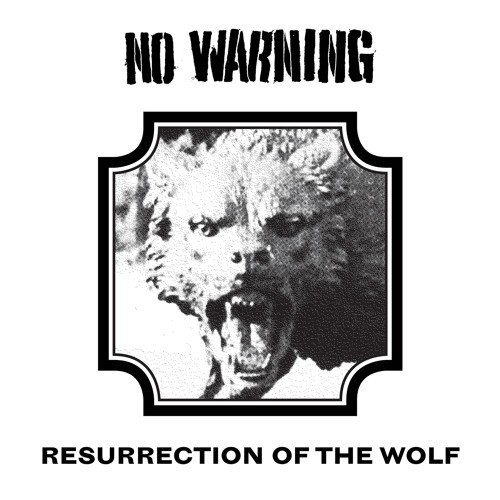
The most striking craft element is the shift from passive suffering to active, almost mythic resurgence. The imagery moves from the "dead in your eye" and "ghost white" face to the powerful, untamed "wolf." This transformation is signaled by the command to "Rise like the wolf," a potent metaphor for reclaiming a wild, instinctual power that cannot be extinguished, even after profound trauma. The final, abrupt "Take life" suggests a complete reclamation of agency, a forceful re-engagement with existence on one's own terms.
This lyrical arc is effective because it taps into a universal human experience of feeling trapped and the fierce desire for liberation. The raw, visceral language, particularly the contrast between the dulled senses and the unleashed "rage" and "wolf," creates a powerful emotional resonance. It’s the feeling of breaking free from a suffocating grip, not with gentle ease, but with a primal, almost violent assertion of self that feels earned through immense struggle.
 View Artist