Song Meaning
The lyrics paint a grim picture of societal decay and entrapment, starting with a visceral image of "hanging by the threads and soaking in the squalor." The narrator directs attention not to official institutions like "living rooms or city halls," but to the fringes: the "freeway," the "gutter," the "prison." This suggests a focus on the overlooked and the marginalized, culminating in a stark, almost ritualistic disposal: "bury the remains at the truck stop." The scene is one of desperation, where even progress like "cities rise and highways lead" serves only to trap a "mass of citizens caught in between."
The central tension emerges from the stark contrast between "executives and amputees," a juxtaposition that seems to represent a fundamental societal division or a shared, debilitating condition. The narrator states, "We're inside still trapped inside with no way out," emphasizing a pervasive sense of confinement. This feeling is amplified by the description of "younger minds" who are "falling short of projected design" but compensate with sheer "volume size." The lyrics suggest a system that produces a critical mass of individuals who are both powerful in number and fundamentally diminished, unable to act with full capacity.
The most striking craft element is the recurring, almost chanted refrain: "The cities rise and highways lead / A mass of citizens caught in between / Executives and amputees." This structural repetition hammers home the core conflict, presenting it as an inescapable reality. The phrase "crushing the world with one hand behind our backs" powerfully encapsulates this duality – a potential for immense force rendered incomplete and self-sabotaging by an internal or external constraint. The imagery of a "train of thought derailed and recaptured" followed by an "rupture results from tiny cracks on the inside" further illustrates how internal failings, however small, lead to catastrophic breakdown.
These lyrics resonate because they tap into a feeling of being simultaneously overwhelmed by external forces and internally broken. The specific, gritty imagery of the gutter and truck stops grounds the abstract societal critique in a tangible, bleak reality. The juxtaposition of "executives" and "amputees" creates a potent, unsettling image of a society where power and powerlessness are inextricably, perhaps even ironically, linked. The sense of being "trapped inside" with "no way out" speaks to a profound, shared anxiety about systemic failure and personal limitation, making the narrator's bleak pronouncements feel acutely observed.
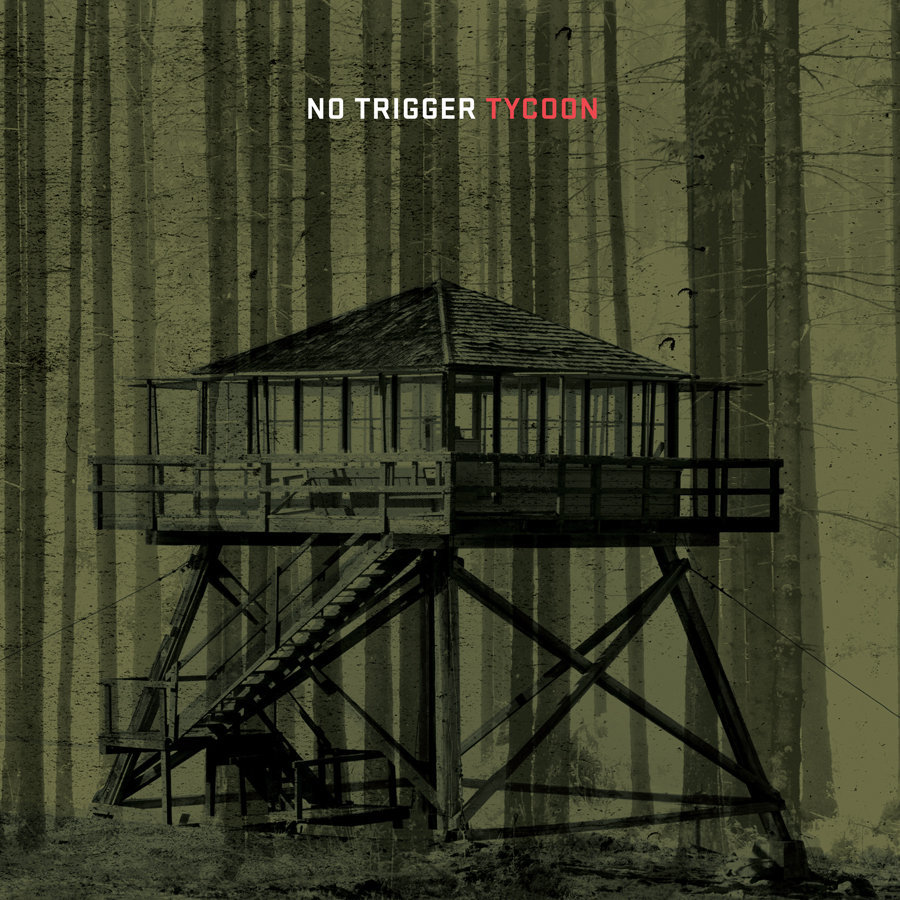
 View Artist