Song Meaning
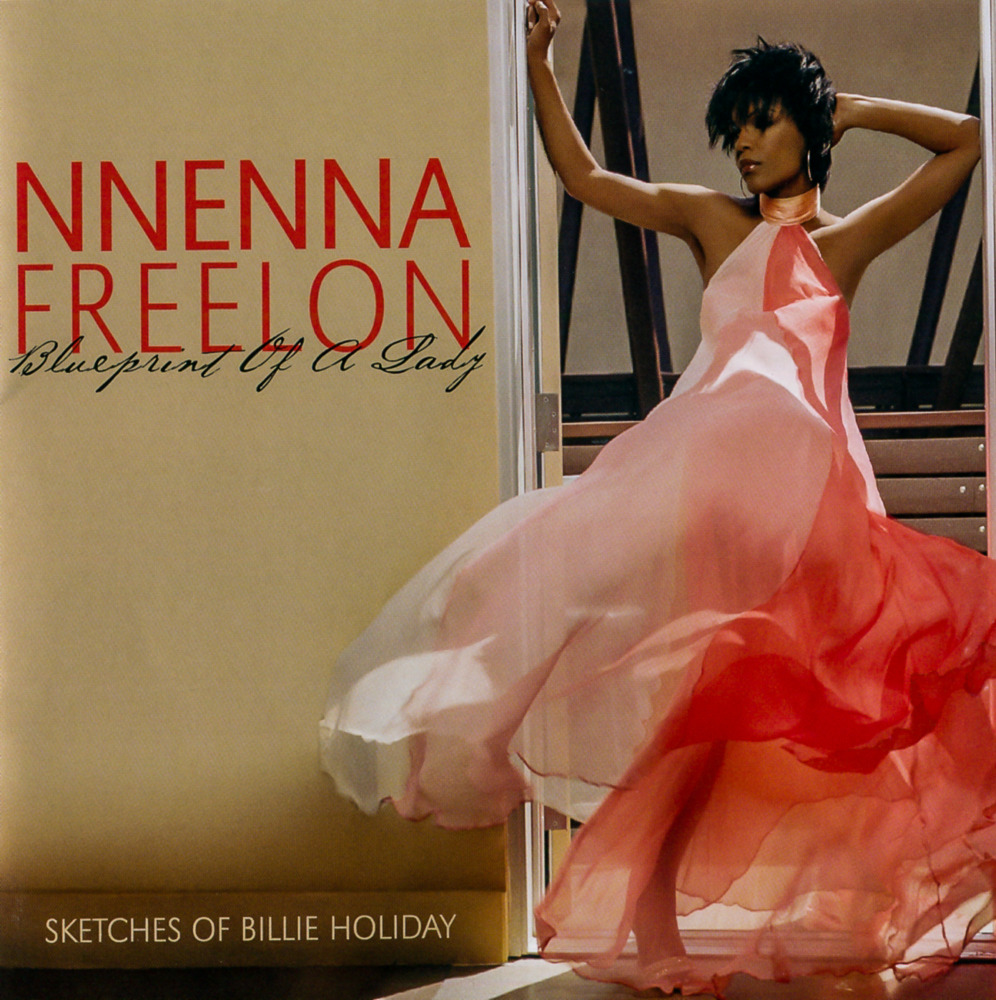
Nnenna Freelon’s rendition of "Left Alone" isn't just a song; it's an existential ache rendered in melody. The track, steeped in the blues tradition, explores isolation not as a temporary state, but as a potentially permanent condition of the human spirit. The opening lines, a plaintive query about the whereabouts of a love meant to complete her, immediately plunges us into the depths of longing. This isn't mere romantic disappointment; it's a profound sense of abandonment, amplified by the stark declaration: "First they hurt me, then desert me / I'm left alone, all alone." Freelon's delivery, imbued with a world-weariness that transcends her years, underscores the cyclical nature of this pain.
The lyrics move beyond the personal to touch upon a broader sense of displacement. The search for a home, a sanctuary, becomes a metaphor for the search for belonging itself. "There's no house that I can call my home / There's no place from which I'll never roam" speaks to a deeper rootlessness, a feeling of being perpetually adrift. The repetition of "I'm left alone, all alone" acts as a constant, a stark reminder of the singer's perceived fate. Even the glimmer of hope offered by the lines "Maybe fate has let him pass me by / Or perhaps we'll meet before I die" is tinged with resignation, a sense that even love, if it arrives, might be too late to truly heal the wounds of solitude.
Ultimately, the song meaning hinges on the tension between hope and despair. While the lyrics acknowledge the possibility of future connection, the overwhelming feeling is one of profound loneliness. Freelon’s interpretation, imbued with her signature blend of vulnerability and strength, transforms "Left Alone" into a powerful meditation on the human condition. It's a song that resonates not just with those who have experienced romantic heartbreak, but with anyone who has ever felt the weight of isolation and the yearning for a place to truly belong. The beauty of Freelon’s performance is that she doesn't shy away from the pain, but rather embraces it, offering a raw and honest portrayal of the human heart in its most vulnerable state.
 View Artist