Song Meaning
The lyrics paint a vivid picture of a crowded summer beach, a scene bursting with energy and youthful exuberance. The narrator arrives with friends, but the overwhelming atmosphere, punctuated by loud music and the bright sun, quickly shifts focus to a singular, unspoken tension. The overwhelming presence of others and the sheer sensory overload of the beach seem to amplify the narrator's internal struggle, creating a stark contrast between the external party and the internal quiet desperation.
The central conflict is the narrator's unrequited love, a secret held close amidst a group of friends. The repeated declaration, "僕の負けだ" (Boku no make da - It's my loss), frames the situation as a defeat, not in a dramatic confrontation, but in the quiet inability to act. This feeling of being powerless is palpable, especially when the narrator admits, "こんなに近くに 君がいるのに 手も足も出ない" (Konna ni chikaku ni kimi ga iru noni te mo ashi mo denai - Even though you're this close, I can't lift a hand or foot). The beach, a place of freedom and fun, becomes a stage for this internal paralysis.
A particularly poignant craft element is the juxtaposition of the vibrant, almost overwhelming external scene with the narrator's internal monologue. Images of the "砂の上のRadio" (Suna no ue no Radio - Radio on the sand) and "大音量のAKB" (Dai-onryō no AKB - Loud AKB) highlight the surrounding festivity. Yet, the narrator's gaze is fixed on the beloved, noting details like her "眩しすぎるビキニ" (Mabushi sugiru bikini - Too-bright bikini) and the way she ties her hair, all while feeling utterly incapable of making a move. This contrast underscores the depth of the narrator's feelings and the immense personal hurdle they face.
Ultimately, the lyrics resonate because they capture the bittersweet ache of unspoken affection during formative years. The narrator's desire to remain a friend, to "呼び捨てにしたい" (Yobisute ni shitai - Want to call you by your first name casually), reveals a complex mix of longing and resignation. The repeated confession of defeat, coupled with the wish for at least a draw in love, "せめて恋は・・・ 引き分けでいい" (Sēmete koi wa... hikiwake de ii - At least in love... a draw is fine), perfectly encapsulates the painful, yet relatable, experience of loving someone from afar without the courage or opportunity to bridge the gap.
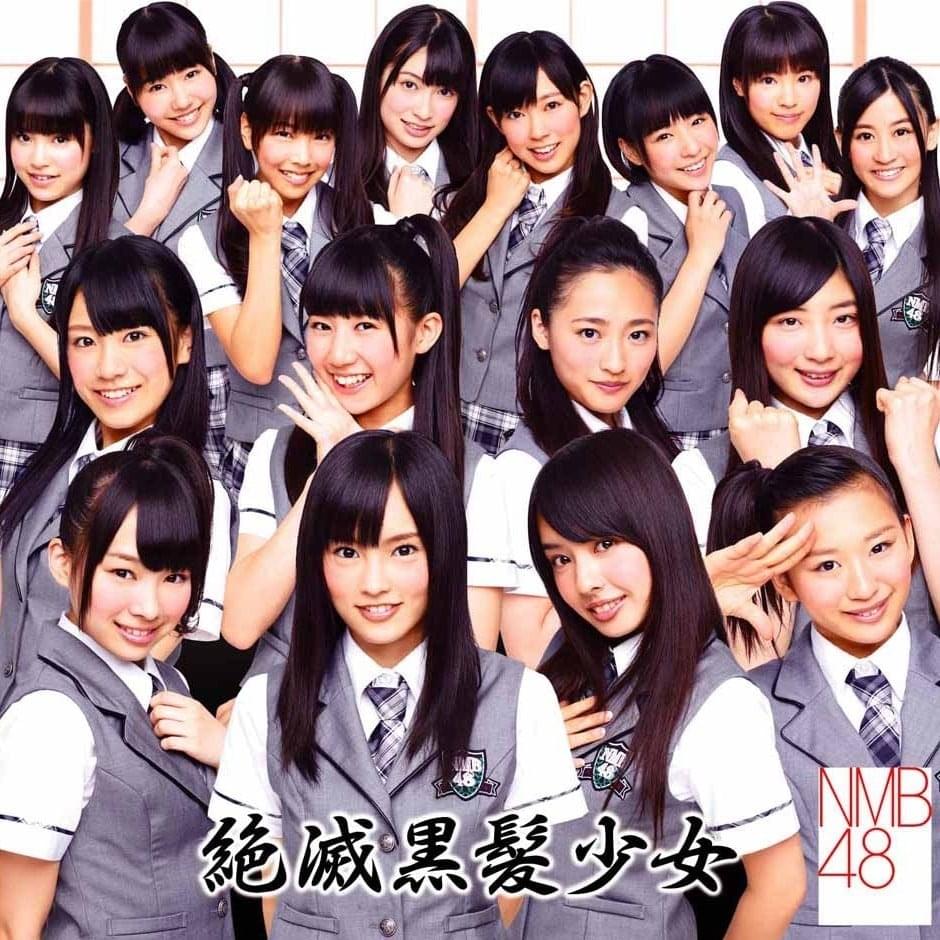
 View Artist