Song Meaning
The lyrics capture a chance reunion at a class party, where the narrator is immediately thrown off balance by seeing someone from their past. The initial question, "あれから君はどうしてた?" (How have you been since then?), is asked with a newfound calm, but the narrator admits to feeling the weight of elapsed time. This encounter quickly shifts from casual to charged when the other person playfully punches the narrator, a gesture that feels both familiar and jarring, hinting at a history that still resonates.
The central tension arises from the narrator's fixation on a ring the other person is wearing. It's not on the left hand, the traditional place for a wedding ring, but on the right. This detail sparks an intense internal debate: "薬指がどうして気になるんだろう?" (Why do my fingers notice the ring finger?). The narrator tries to rationalize it away, asserting that their past love ended and they should be free, that it shouldn't matter if the other person is with someone. Yet, the repeated observation and the internal conflict reveal a lingering attachment that defies logic.
The most striking craft element is the persistent, almost obsessive focus on the ring's placement. The repetition of "左手ではなくて 右にしてるリング" (Not on the left hand, but on the right hand is the ring) underscores the narrator's internal turmoil. This specific detail becomes a focal point for all the unspoken feelings and unresolved history. The narrator's observation that the person has "キレイになった" (become beautiful) after cutting their hair further amplifies the narrator's own confusion and a sense of regret or longing.
These lyrics hit hard because they articulate the quiet, often awkward, resurfacing of old feelings when encountering someone significant from the past. The narrator's internal monologue, oscillating between trying to appear detached and being consumed by the detail of a ring, perfectly mirrors the experience of confronting unresolved emotions. The final lines, "だけど気になるのは 今も好きだからか" (But the reason I notice is, is it because I still like you?), bring the unspoken truth to the surface, making the narrator's lingering affection palpable and deeply relatable.
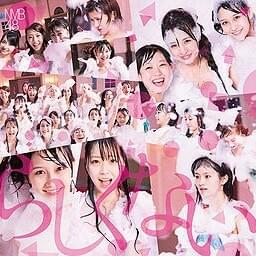
 View Artist