Song Meaning
“PinkPalmTrees” opens with a vibrant, almost ceremonial welcome from “Loiza Aldea Ultima Reina,” a Taino chief. Her greeting is full of communal joy and expansive love, inviting listeners to her “yucayeque.” This warmth then gives way to a stark, melancholic observation about a woman's lost self-perception. The shift in tone is immediate and impactful.
The initial voice proudly declares a rich identity and heritage, exclaiming “Wepa, wepa, wepa!” and “Bailando mi gente!” This self-assured, deeply rooted presence directly precedes the lament for a “she” who “does not know her beauty.” The lyrics suggest a profound disconnect from self-worth, contrasting the Reina’s celebratory self-awareness with the other woman's unseeing state.
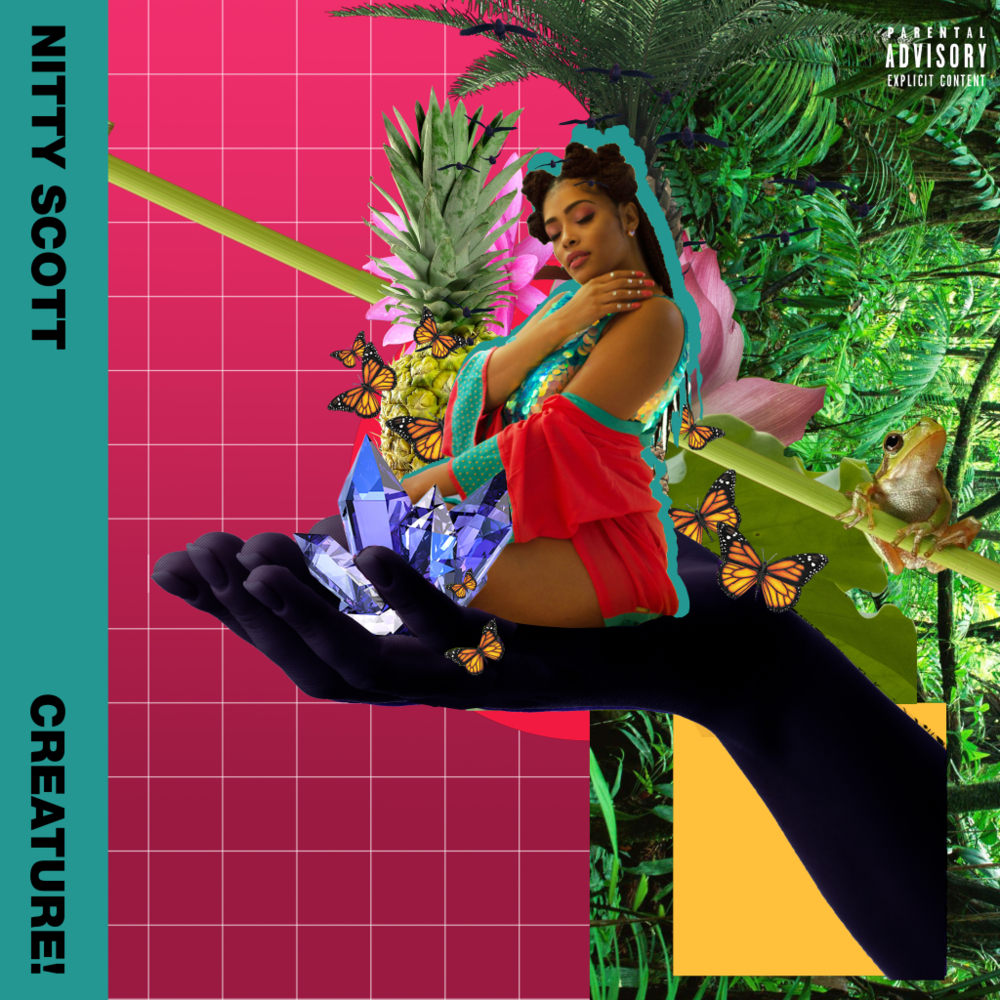
The piece powerfully uses contrasting imagery to highlight this struggle for self-recognition. The ideal scenario for self-discovery involves dancing “naked under palm trees” and seeing one’s “image in the river.” This natural, reflective environment is then tragically replaced by the harsh reality of “no palm trees on the street, and dish water gives back no images.” The mundane urban setting offers no mirror for true beauty.
This juxtaposition of vibrant cultural pride with a quiet sorrow over unacknowledged beauty creates a poignant commentary. The lyrics suggest that in the absence of natural mirrors and a supportive, reflective environment, true self-recognition can become elusive.
 View Artist