Song Meaning
The lyrics paint a picture of profound isolation and a yearning for control over one's destiny, framed by the relentless cycle of the sun. The opening lines, "If I were never to leave you / If I were always alone," immediately establish a tone of deep solitude, suggesting a self-imposed or inescapable separation. This feeling is amplified by the recurring desire, "If I could set the sun," which speaks to a powerful wish to manipulate the natural order, perhaps as a way to escape the perceived permanence of loneliness or to force a change in circumstances.
The core tension lies in the contrast between the speaker's static, isolated state and the dynamic, ever-moving world. While the speaker contemplates being "always alone," the lyrics present a vibrant, interconnected natural world: "Rivers rise / Oceans rise / People rise with the sun." This juxtaposition highlights the speaker's detachment from this flow, emphasizing their feeling of being stuck. The repetition of "Keep movin / Keep changin / Keep flowin with the sun" acts as an external mantra, a reminder of the world's constant motion that the speaker seems unable to join.
The most striking element is the recurring motif of the sun, which serves as both a symbol of natural progression and a potential tool for the speaker's desired control. The sun's movement dictates the flow of life – "Rivers rise," "Oceans rise," "People rise" – and even the falling of "Tears fallin / Rain fallin / Leaves are falling." The speaker's wish to "set the sun" suggests a desire to halt this natural progression or perhaps to dictate its terms, a desperate attempt to break free from the cycle of isolation. The final lines, "If I could set with the sunset, say it..." hint at a potential, albeit unrealized, moment of acceptance or declaration.
Ultimately, the effectiveness of these lyrics stems from their stark portrayal of existential loneliness and the human impulse to seek agency, even in the face of overwhelming natural forces. The simple, declarative sentences and the powerful, elemental imagery create a sense of raw emotion. The repeated conditional "If I were" underscores a state of perpetual hypothetical, a life lived in the shadow of what could be, rather than what is, making the speaker's isolation feel both deeply personal and universally resonant.
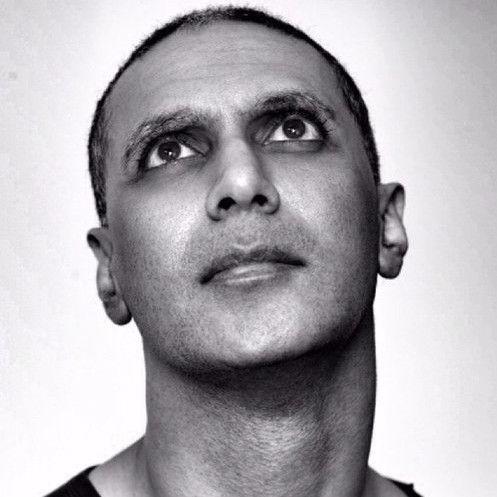
 View Artist