Song Meaning
The lyrics paint a picture of longing and separation, centered around the recurring image of a train. The narrator attempts to hold onto a moment, wishing a departing train would stay, but acknowledges the inevitability of departure. This sets up a core tension: the desire for permanence versus the reality of movement and distance. The repeated question, "Which are the words I can say?" highlights a struggle to articulate feelings or perhaps to accept the situation.
The phrase "Tres Tres Bien" acts as an anchor, a seemingly cheerful or resigned acknowledgment of the situation, juxtaposed with the underlying sadness of separation. It's repeated like a mantra, perhaps a coping mechanism or a wistful hope for reunion. The distance is emphasized by "over the mountain and over the sea," suggesting a vast, almost insurmountable gap between the narrator and the object of their affection.
The craft here lies in the stark contrast between the hopeful imagery of a train arriving and the melancholic reality of it passing by. The narrator observes, "The whistle is blowing the train's passed me by," a clear indication that the opportunity has been missed. The repetition of "Tres Tres Bien" in the face of this missed opportunity and the uncertainty of future meetings creates a poignant, almost bittersweet atmosphere. The final lines, "nobody knows just when / She will come into your life for a day," further underscore the unpredictable nature of connection and the fleeting moments that define it.
This writing is effective because it captures the universal ache of missing someone and the frustration of not knowing when or if you'll see them again. The simple, evocative imagery of the train and the recurring, slightly enigmatic French phrase create a mood that is both specific and deeply resonant. The narrator's quiet resignation, filtered through the repetitive refrain, makes the longing feel palpable and relatable.
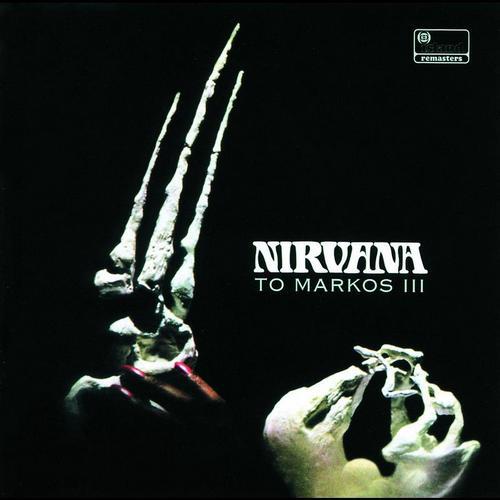
 View Artist