Song Meaning
The lyrics paint a picture of intense heartbreak and a desperate plea for an end to suffering. The narrator is consumed by the absence of a loved one, feeling lost and unable to function without them. The opening lines, "Ehis figi makria mu / Ponao ke kleo," immediately establish a tone of profound sorrow and longing, setting the stage for the raw emotional outpouring that follows. The narrator searches but finds no trace, amplifying the feeling of abandonment and the void left behind.
The central tension lies in the narrator's paradoxical desire for oblivion as a means of escaping unbearable pain. The repeated, stark command, "Skotose me" (Kill me), is not a literal death wish but a hyperbolic expression of the desire to cease feeling the agony of separation. This is explicitly stated in the lines "Gia na mi s' agapao" (So I don't love you anymore) and "Makria su den aksizi na zo" (Without you, it's not worth living). The narrator is trapped, unable to stop loving the person who is gone, and thus seeks an end to the very feeling that causes such torment.
The most striking aspect of the lyrics is the raw, almost violent imagery used to convey emotional distress. The plea "Fotia n' anapsis mesa mu ksana" (Light a fire inside me again) suggests a desire for intense feeling, even if painful, to replace the current numbness of loss. Later, the narrator asks, "Giati mu kovis tora ta ftera?" (Why are you cutting my wings now?), a powerful metaphor for being stripped of the ability to move forward or escape their current state. This contrast between the desire for fire and the feeling of being grounded highlights the depth of their despair.
Ultimately, the effectiveness of these lyrics stems from their unflinching portrayal of a love so consuming that its absence leads to a desire for self-annihilation, albeit expressed metaphorically. The repetition of the chorus hammers home the intensity of this feeling, leaving the listener with a profound sense of the narrator's desperate state. The lyrics suggest that for this narrator, the pain of loving someone who is gone is a fate worse than death, making the plea to be "killed" a cry for release from an unbearable emotional reality.
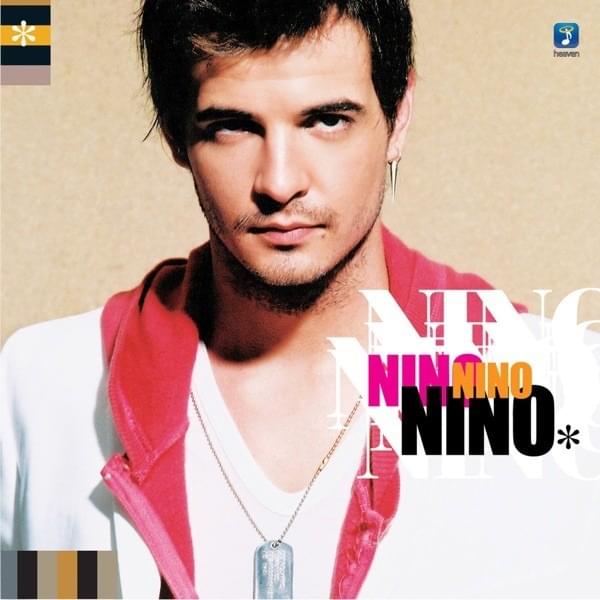
 View Artist