Song Meaning
The narrator is consumed by a profound melancholy, stemming from the departure of a loved one. The central image is a "cursed train" that physically carried her away, severing their connection. This train isn't just a mode of transport; it's personified as an antagonist, a "nemico del mio bene" (enemy of my good/love), directly responsible for the narrator's suffering and the loss of what he considered his entire life. The lyrics paint a picture of a world suddenly emptied by her absence.
The core tension lies in the narrator's desperate plea against the finality of this separation. He laments that the train didn't consider the depth of their shared love, a love that grew "dint'o core 'e tutt'e dduie" (in the heart of both of us). This love, once vibrant, has been taken somewhere unknown, leaving him with a void. The plea "falla veni'" (make her come back) underscores his inability to accept this new reality.
The writing powerfully contrasts the past intimacy with the present desolation. He misses her "capricci" (whims) and the familiar sight of her "persiane nel buio abbassate" (shutters in the dark). The absence of her nightly song from the balcony, accompanied by her guitar, signifies the death of their shared romance. The simple, repeated "Ti amo" at the end feels less like a declaration and more like a final, fading echo of a love that has now "spento" (gone out) in his heart.
This song hits hard because it grounds an immense emotional pain in concrete, relatable details and a singular, accusatory focus. The "maledetto treno" becomes a tangible villain for an intangible heartbreak. The shift from Neapolitan dialect to Italian in the second stanza, while maintaining the emotional core, might suggest a widening of the narrator's internal world as his despair deepens, making the final plea to the train to "Salvalo st' ammore, nun straccia chesta poesia" (Save this love, don't tear up this poetry) feel both heartbreakingly earnest and tragically futile.
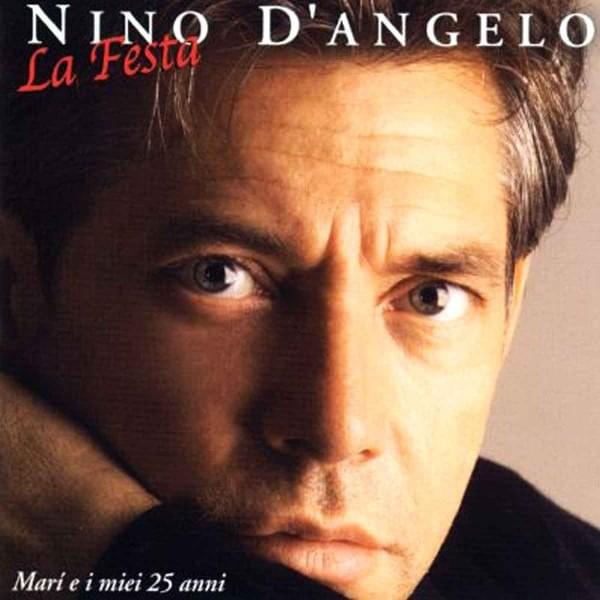
 View Artist