Song Meaning
The lyrics paint a picture of a New Year's Eve celebration, a "veglione che cenone," filled with colored lights and dancing. The narrator notes someone who never misses an invitation and dances alone, setting a slightly melancholic or observant tone amidst the revelry. The scene shifts to midnight, where champagne is uncorked "singhiozzando" – sobbing – and the narrator toasts while masking their face as a pierrot, suggesting a hidden sadness beneath the festive facade.
The central tension arises from the contrast between the outward celebration and the narrator's internal state. They plead for joy, admitting to trembling from jealousy, a feeling that "mannoia" – annoys or torments. Despite this, the lyrics assert a deep connection: "Ce simmo imbambolati / Ma simmo innamorati" (We are infatuated, but we are in love). This duality suggests that even amidst personal turmoil, the love felt is genuine and profound.
The most striking craft element is the juxtaposition of the celebratory "festa e capodanno" with the narrator's personal plea and emotional vulnerability. The repeated phrase "Ammore ammore ammore / Parole senza fine" (Love love love / Endless words) emphasizes the overwhelming nature of their feelings, while the line "Me rato tutto o munno / Me rato a me felicita' / Cha vene e va" (Gives me the whole world / Gives me my happiness / That comes and goes) captures the fleeting, yet powerful, nature of this happiness tied to love.
These lyrics resonate because they capture the complex emotional landscape of significant moments. The New Year's Eve setting, a time often associated with hope and new beginnings, becomes a backdrop for raw, personal feelings of jealousy and the desperate search for joy. The writing grounds the grand declarations of love in specific, relatable moments of internal struggle, making the emotional impact feel earned and deeply human.
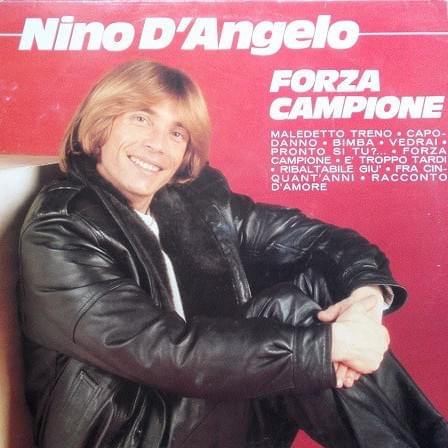
 View Artist