Song Meaning
The lyrics paint a portrait of "Bella" as a figure of profound vulnerability and suffering, yet possessing an inherent, almost regal, beauty. She's described "senza uocchie e mane" (without eyes and hands) and "senza voce e pace" (without voice and peace), suggesting a state of helplessness and internal conflict. The imagery of a queen who has lost her crown and watches the sea to hide her pain establishes a tone of tragic grandeur. This "pover' ammore" (poor love) is battered by the elements and the harsh realities of her environment, symbolized by the "pioggia d'estate" (summer rain) that dirties her face and the "schiaffo" (slap) she endures.
The central tension arises from Bella's passive endurance of overwhelming forces. She's "sbandata e sola" (lost and alone), "stanca e te cuccà cu 'a paura" (tired of cuddling with fear), and "svennuta da violenza che fa a televisione" (fainted from the violence on television). The lyrics repeatedly emphasize her inability to act: "tu nun può fa niente" (you can do nothing) against the injustices she faces. This helplessness is contrasted with her enduring beauty, creating a poignant dissonance between her inner spirit and her external circumstances.
A striking element is the personification of abstract violence and societal neglect as physical assaults. The "schiaffo" and the "tuorto" (wrong) she has suffered are presented as tangible blows. The description of her wearing a "vestito e pizza e maccarune" (dress of pizza and macaroni) is a powerful, almost grotesque, image that grounds her suffering in a stark, unglamorous reality. The lyrics suggest that even those who claim to represent art and poetry, the "casa e poete e cantante" (house of poets and singers), have ultimately betrayed her, painting the moon while she carries the weight of their "gloria" (glory).
This lyrical construction is effective because it evokes deep empathy through vivid, often harsh, imagery and a consistent focus on Bella's powerlessness against external forces. The repetition of her inability to act, coupled with the recurring address of "Bella," transforms her into an archetype of suffering beauty. The final lines, "Bella ca nun tiene e bracce / E a te me sento astrignuto" (Bella without arms / And to you I feel drawn), suggest a profound, almost desperate, connection from the narrator, drawn to her even in her broken state, highlighting the enduring power of her spirit despite everything.
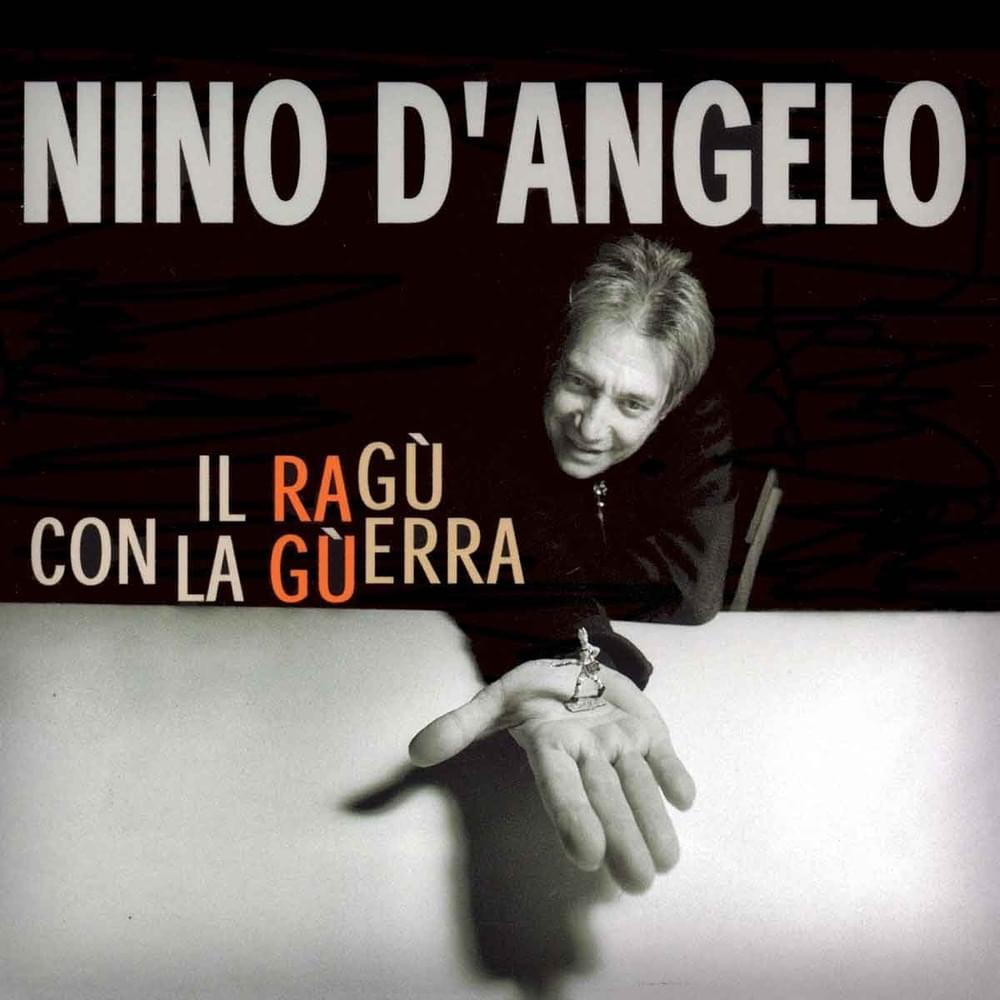
 View Artist