Song Meaning
The lyrics paint a picture of a speaker undergoing a disturbing, perhaps chemical or supernatural, transformation. They describe themselves as an "obsidian axolotl amphibian" with "six black tentacles," a striking image that grounds the song in a visceral, unsettling metamorphosis. This physical change is coupled with a sense of psychological distress, a feeling that's "a little nightmarish, a little maudlin," suggesting a loss of self and control.
The central tension lies in this involuntary change and the speaker's reaction to it. The repeated question, "Who built this heart?" paired with the desperate plea for "laudanum," highlights a feeling of being a victim of circumstance or some external force. The phrase "Who needs the Devil when you've got the Lord?" adds a layer of dark irony, implying that the current state is so dire it surpasses conventional notions of evil, perhaps even making divine intervention seem insufficient or complicit.
The craft here is in the juxtaposition of the bizarre and the mundane, the monstrous and the vulnerable. The image of the "axolotl amphibian" is inherently strange, but the addition of "six black tentacles" pushes it into the realm of body horror. This is contrasted with the more grounded, albeit still unsettling, image of "sister Maggie" and a baby with a "belly full of black soot." The narrator's passive observation, "I got the feeling I better just stay put," underscores their lack of agency in the unfolding events.
Ultimately, these lyrics resonate because they tap into a primal fear of losing bodily and mental autonomy. The transformation is not heroic or empowering; it's "accidental" and leads to a feeling of being a "chopping board" for fate. The raw emotional expression, from the existential dread of the chorus to the specific, unsettling imagery of the verses, creates a powerful sense of unease and vulnerability that lingers long after the words are read.
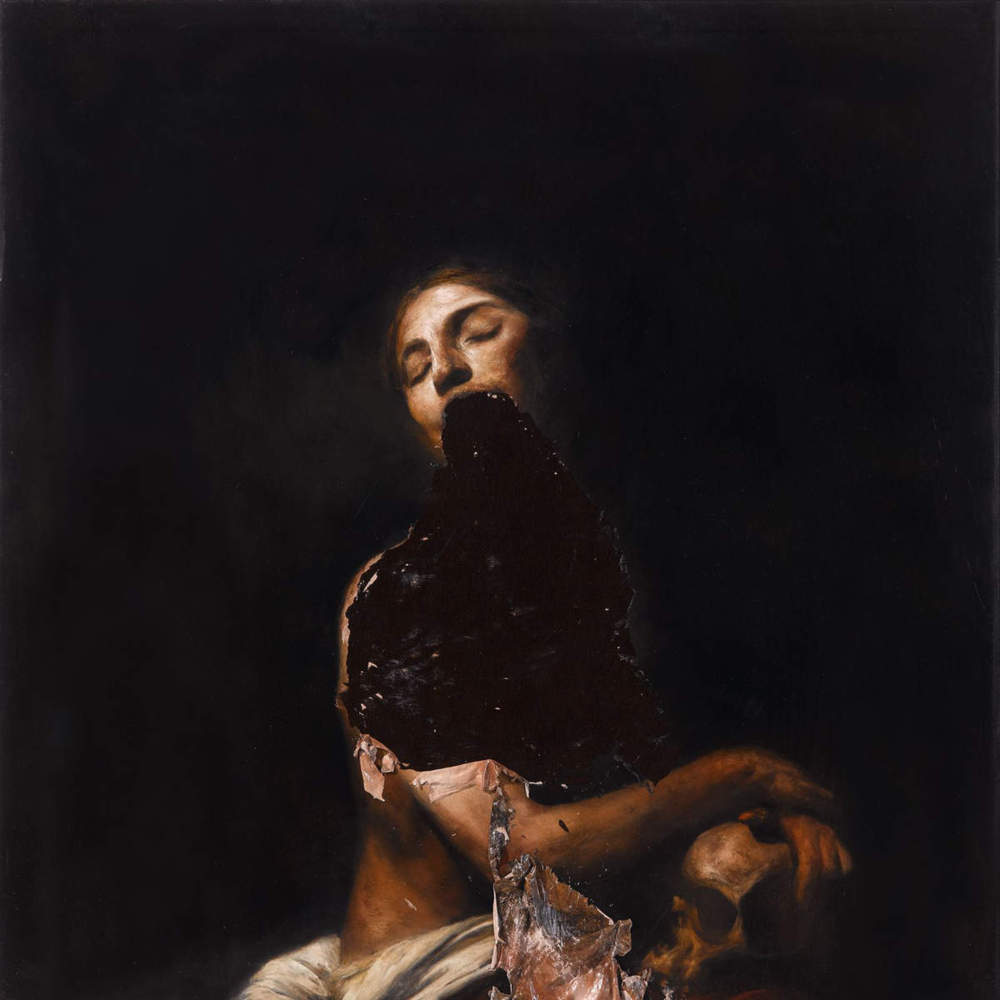
 View Artist