Song Meaning
The lyrics immediately plunge us into a scene of quiet despair, where a "great disaster" has forced a return home. An unspoken tension hangs heavy, marked by a palpable sense of shame and denial. Amidst this suffocating atmosphere, a raw, vulnerable plea cuts through: "Please just don't leave me alone."
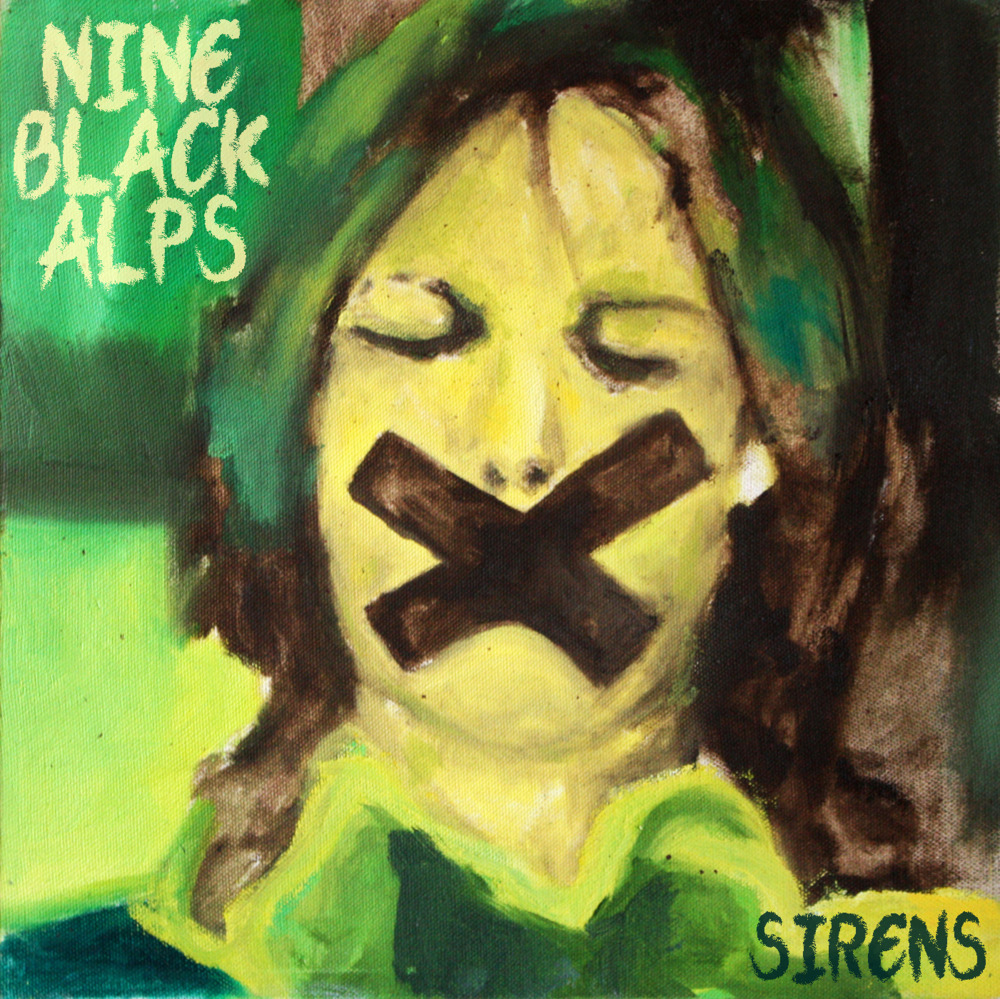
The core emotional conflict here is the stark divide between outward silence and internal turmoil. The narrator observes a group where "No one talks," implying a collective refusal to acknowledge the shared calamity. This creates a suffocating environment where individuals are left to grapple with their pain in isolation, maintaining a fragile public front despite clear internal struggles. The sense of a "waiting room" emerges, a place where people are stuck, unable to move forward or truly connect.
The repeated refrain, "I'm so sorry to hear / That you got so near," is particularly poignant. It captures the crushing weight of almost achieving something — success, recovery, or perhaps a different life — only to fall short. This recurring sentiment, that hope "felt that way too soon," highlights a premature optimism that was quickly dashed, leaving a lingering sense of loss and what-ifs. The ambiguity of what was "near" makes the feeling universally resonant.
The lyrics powerfully convey a profound sense of being trapped, using stark imagery to illustrate coping mechanisms. We see someone "drinking up fast," head bowed in sorrow, admitting they "can't last without medication." This unflinching portrayal of self-medication and dependence is raw and honest. The final image of alcohol "blurring the pictures on the wall" effectively symbolizes how attempts to escape pain only distort reality, making it harder to confront the past or envision a clear future.
 View Artist