Song Meaning
Nina Zilli's "La felicità" isn't a straightforward anthem of joy; it's a sophisticated, almost cynical, exploration of happiness as an elusive ideal, perhaps even a transaction. The repetition of "La felicità" (happiness) throughout the song acts as both a mantra and a question, constantly probing the nature of this sought-after state. Zilli immediately casts doubt by suggesting happiness is "something that resembles it," hinting at a counterfeit, a stand-in for the genuine article. The lyrics imply happiness is conditional, tied to a specific person ("If what I deserve is you"), yet that person remains frustratingly unaware or unattainable. This creates a sense of longing and unfulfilled desire at the heart of the song's meaning.
The recurring lines, "It's my jewel for you / It's my salary," transform happiness into a commodity, something to be earned, bartered, or offered as a gift. This commercialization of emotion speaks to the pressures and expectations of modern life, where even feelings are subject to exchange. The "intoxicating void of my generation" suggests a collective search for meaning and fulfillment in a world that often feels empty. This line grounds "La felicità" in a specific cultural context, resonating with the anxieties of a generation grappling with uncertainty and disillusionment. The mention of waiting for "embarkation to my constellation" evokes a desire for escape, a yearning for something beyond the mundane.
However, this yearning is tinged with darkness. The image of "purple at eight in my throat / And a gun in my hand" introduces a jarring element of violence and despair. This stark contrast subverts the expected narrative of a song titled "La felicità," revealing a deeper complexity. The gun symbolizes the potential for self-destruction or perhaps a desperate attempt to seize control in a world that feels overwhelming. The final lines circle back to the initial uncertainty, questioning whether happiness is merely something that resembles the real thing and suggesting the desired person may ultimately possess it ("Tu che l'avrai"). This ambiguity leaves the listener pondering the true nature of happiness and whether it is ever truly attainable.
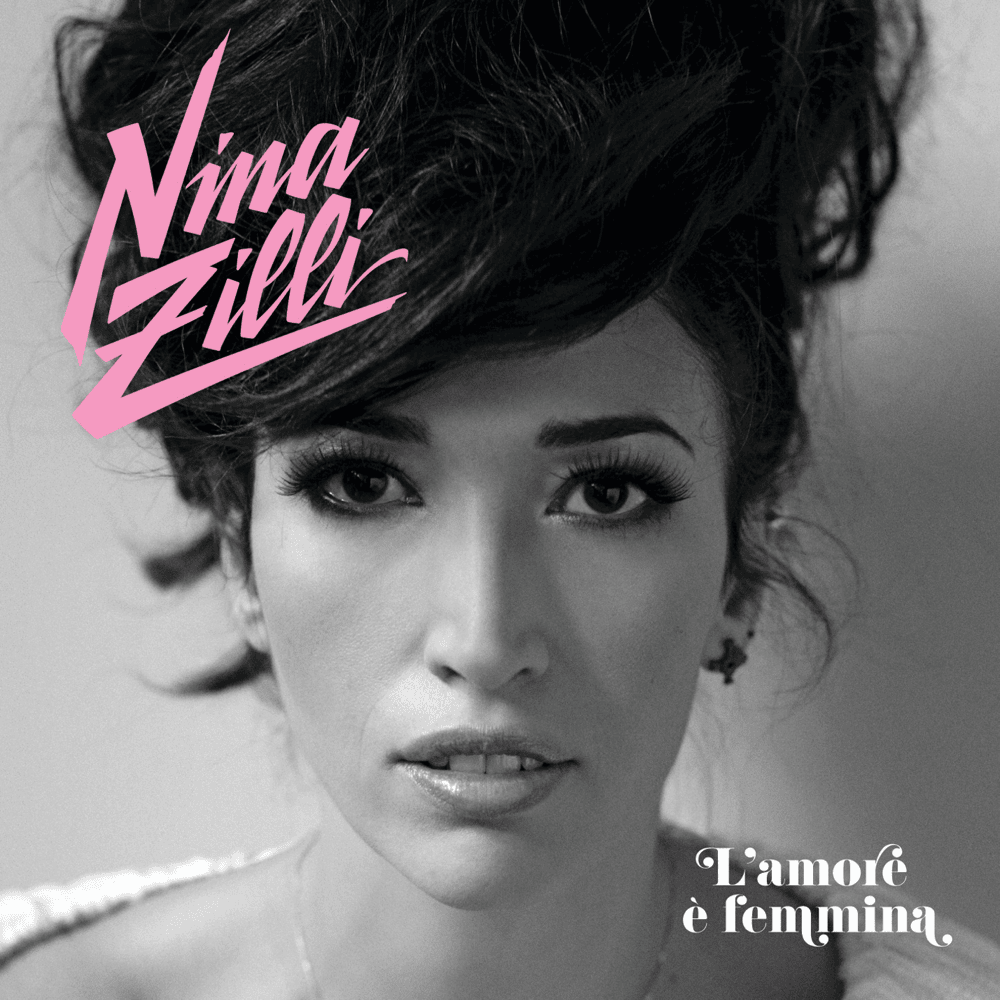
 View Artist