Song Meaning
Nina Simone's rendition of "Black Is the Color of My True Love's Hair" is less a straightforward love song and more an exploration of idealized devotion, tinged with a yearning that borders on melancholy. The repetition of "Black is the color of my true love's hair" acts as a mantra, anchoring the singer in a singular, almost obsessive focus on the beloved. It's not just physical attraction; the lyrics point to a deeper reverence, a love so profound that it extends to the very ground he walks upon. This hyper-focus can be interpreted psychologically as a form of idealization, where the object of affection is elevated to an almost unattainable status, potentially masking flaws or complexities. Simone's interpretation adds a layer of complex emotionality that transcends the folk origins of the song. The simplicity of the lyrics is deceptive; embedded within them is a potent mix of hope and vulnerability.
The song's power lies in its stark simplicity. There's no elaborate narrative, no complex metaphors – only the raw emotion of love and longing. The singer's declaration, "I love the ground on where he stands," highlights the extent of her adoration. It suggests a willingness to submit, to elevate the beloved above herself. This raises questions about power dynamics within the relationship, hinting at a potential imbalance. The lines "And still I hope/That the time will come/When he and I will be as one" inject a note of uncertainty. The hope for unity suggests a current state of separation, either physical or emotional, further emphasizing the yearning at the song's core.
Ultimately, the song meaning in Nina Simone's hands becomes a study in the complexities of love. It's not just about happiness and fulfillment but also about the vulnerability and longing that can accompany deep affection. The repetition of the central image – the black hair – serves to amplify the intensity of the singer's emotions, creating a powerful and unforgettable portrait of devotion that feels both timeless and deeply personal. The song's beauty resides in its ability to evoke these complex emotions with such stark and simple language, further amplified by Simone's singular vocal delivery.
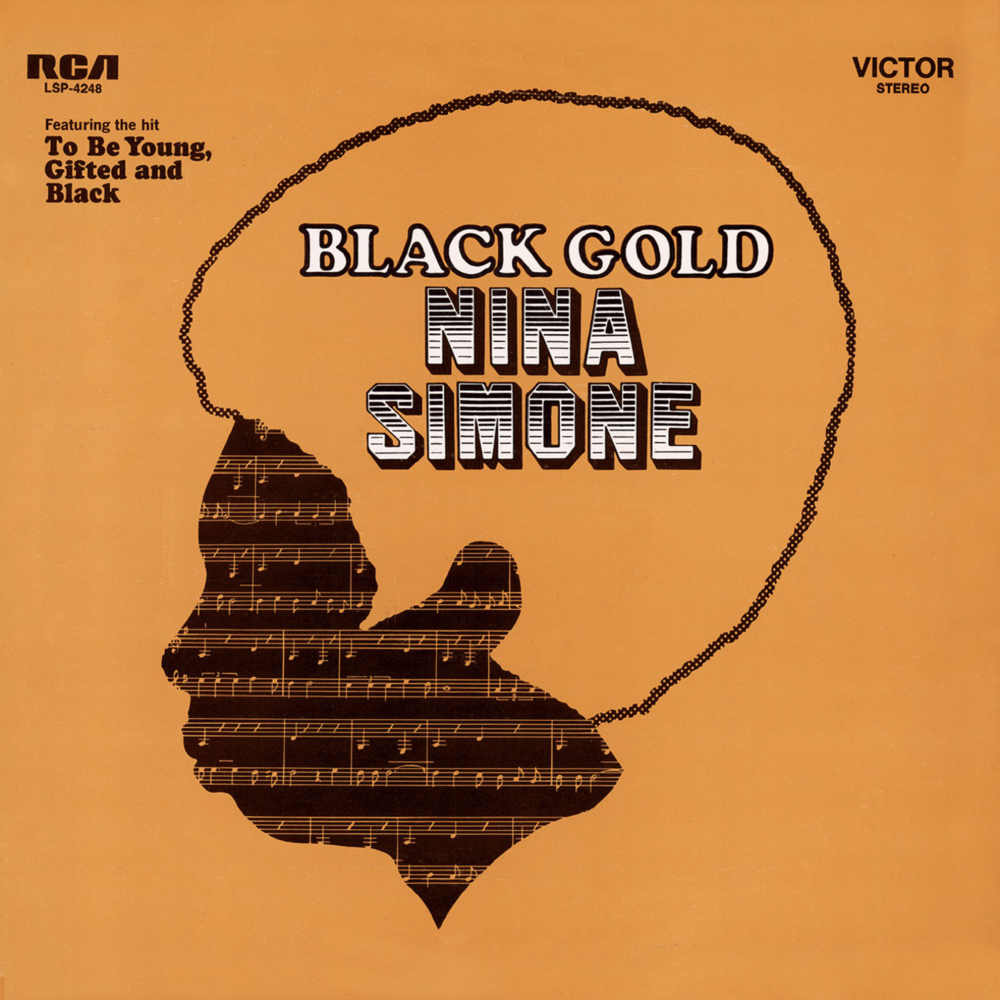
 View Artist