Song Meaning
The lyrics paint a picture of patient acceptance and deep devotion, centered around the idea that time itself is a wise and perfect force. The narrator expresses a willingness to let time unfold, believing it will place everything in its rightful moment. This trust extends to personal integrity; the narrator suggests that facing contempt or lies is less daunting if one has always acted with honesty and sincerity. The core sentiment is a surrender to a natural, unfolding order.
The central tension arises from the question, "Y para qué" (And for what?), posed against the backdrop of living "sin ilusiones" (without illusions). This suggests a potential conflict between the passive acceptance of time and the active pursuit of joy or meaning. Yet, the subsequent lines about singing to life and dancing to songs, especially with a beloved, indicate that illusions or hopes are not entirely abandoned, but perhaps reframed within the context of shared experience and destiny.
A striking element is the narrator's active role in clearing the path for their companion: "Sacare piedras del agua y limpiare bien tu camino" (I will take stones from the water and clean your path well). This imagery of meticulous care contrasts with the passive letting go of time, showing a proactive commitment to the beloved's well-being. The repetition of "Donde beben mis sentios" (Where my senses drink) emphasizes the profound, almost elemental connection, suggesting the beloved is the source of the narrator's very perception and vitality.
Ultimately, the effectiveness lies in this blend of patient observation and active, devoted care. The lyrics suggest that true happiness comes not from fighting against time or circumstance, but from trusting the process while simultaneously cherishing and actively protecting the moments and people that bring life meaning. The repeated refrain "Vivir sin ilusiones / Cantamos a la vida / Bailando tus canciones" becomes an anthem for finding joy and purpose even amidst a philosophy of letting go.
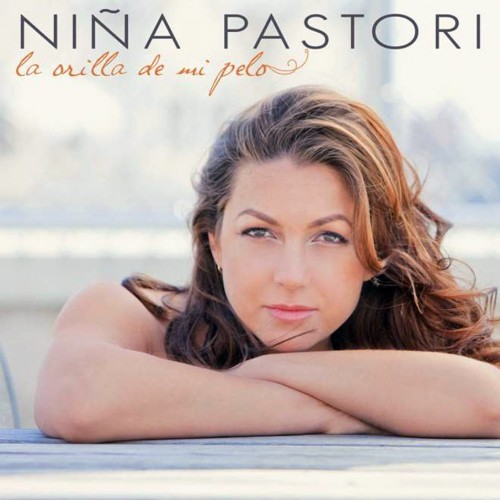
 View Artist