Song Meaning
The lyrics paint a picture of someone deliberately closing a chapter, pushing back against a bleak future where time might drag them to desolate shores. There's a powerful act of creation and release: "Hago pájaros de barro y los echo a volar." This isn't just about moving on; it's about actively crafting a new beginning, transforming something fragile into something capable of flight. The narrator rejects the weight of past sorrow and abandonment, choosing instead to embrace a solitary wonder, like a lone passerby witnessing something profound.
The central tension lies in the contrast between past stagnation and present liberation. The narrator is no longer climbing the path to a former home, nor is their dog waiting by a familiar light. The imagery of being lost in maps and sleeping on roads suggests a life adrift, yet the present moment is marked by a "wind blowing" when the sea – perhaps representing emotional depth or a past relationship – is long gone. This wind signifies a new, perhaps unexpected, force guiding them forward.
The most striking craft element is the recurring motif of "pájaros de barro" (mud birds). These are deliberately made, fragile things, yet they are sent to fly. This suggests that even creations born from difficult circumstances or past pain can achieve freedom and transcendence. The lyrics also employ a sense of spatial and temporal disorientation – getting lost in maps, sleeping on roads, and finding feelings nesting in "time's vertices" – to emphasize the narrator's detachment from conventional paths and their embrace of a more fluid existence.
Ultimately, these lyrics resonate because they capture the profound act of self-reclamation. The narrator isn't passively waiting for time to pass; they are actively shaping their present by acknowledging the past's distance and creating new possibilities from its remnants. The fragile, yet airborne, mud birds become a potent symbol of hope and agency, born from the very earth of past experiences but destined for the open sky.
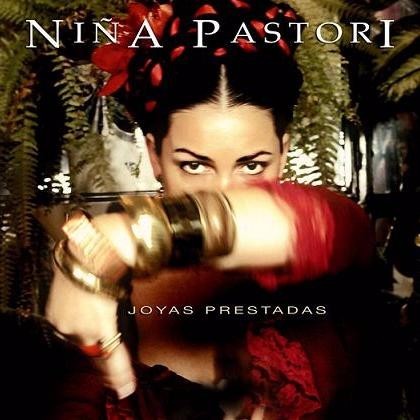
 View Artist