Song Meaning
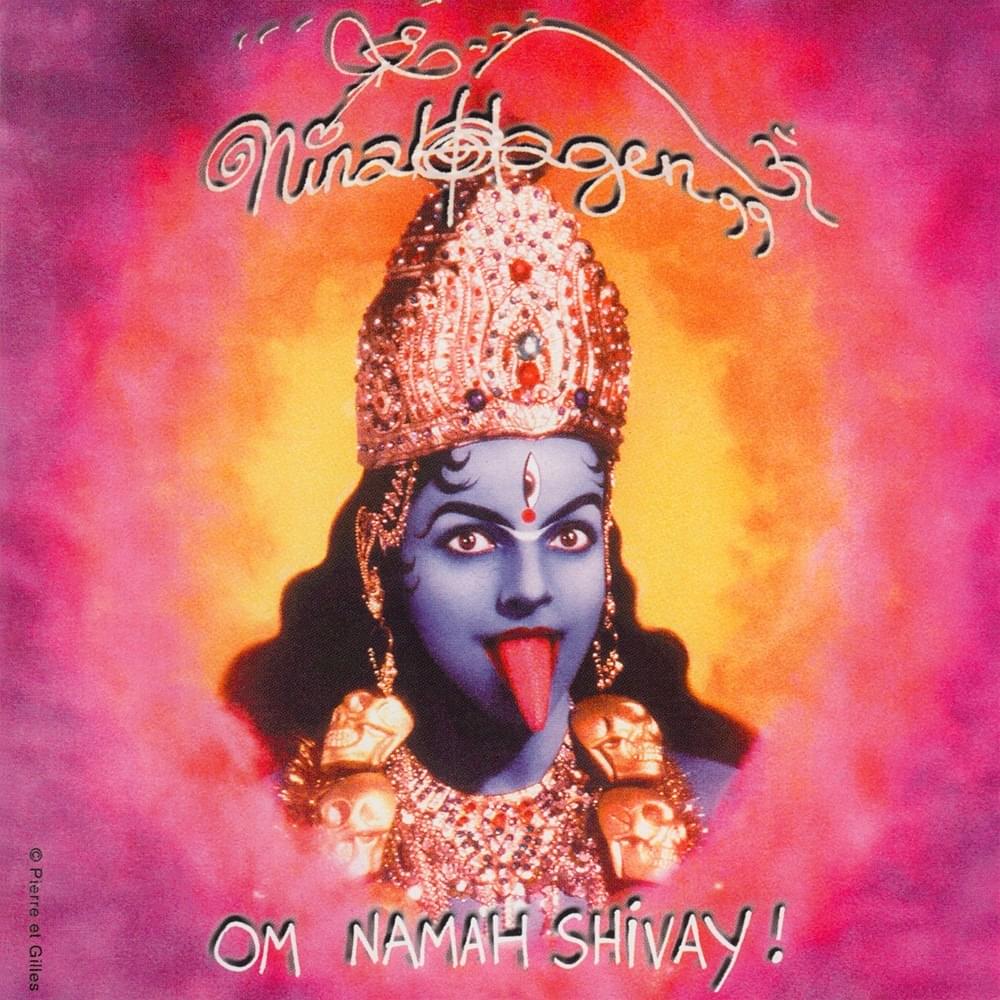
Nina Hagen, the German punk provocateur, has always been drawn to the ecstatic edges of human experience. "Hara Hara Amarnatha Gange" is no exception, a devotional mantra stripped of its expected context and delivered with Hagen's signature intensity. The song meaning resides less in narrative and more in the raw, repetitive invocation of divine names and sacred places. It's a sonic baptism, a plunge into the Ganges River of the mind. The constant repetition of "Kashi Vishvanatha Gange" acts as a sonic anchor, grounding the listener in the sacred geography of Hinduism. But Hagen isn't simply reciting a prayer; she's embodying it.
The song eschews traditional Western song structures, opting instead for a cyclical, hypnotic form. This isn't pop; it's sonic yoga. The repetition of phrases like "Hara Hara" and "Bom Bom Hara Hara" creates a rhythmic pulse, a heartbeat mirroring the devotional fervor at the song's core. Hagen's delivery, though powerful, avoids ornamentation, allowing the mantra's inherent power to resonate. There's a primal scream quality to the performance, a sense of breaking through the barriers of language and cultural understanding to reach a more fundamental spiritual truth.
Ultimately, "Hara Hara Amarnatha Gange" is an act of sonic appropriation, but not in a dismissive or exploitative way. Hagen approaches the material with a palpable reverence, transforming the mantra into a vehicle for her own unique brand of spiritual expression. It's a reminder that devotion can take many forms, and that even within the chaotic energy of punk, there exists the potential for profound spiritual connection. The song isn't about understanding the specific deities or locations invoked; it's about experiencing the transformative power of faith itself. It's a sonic invitation to lose oneself in the current of devotion, to be swept away by the river of sound.
 View Artist