Song Meaning
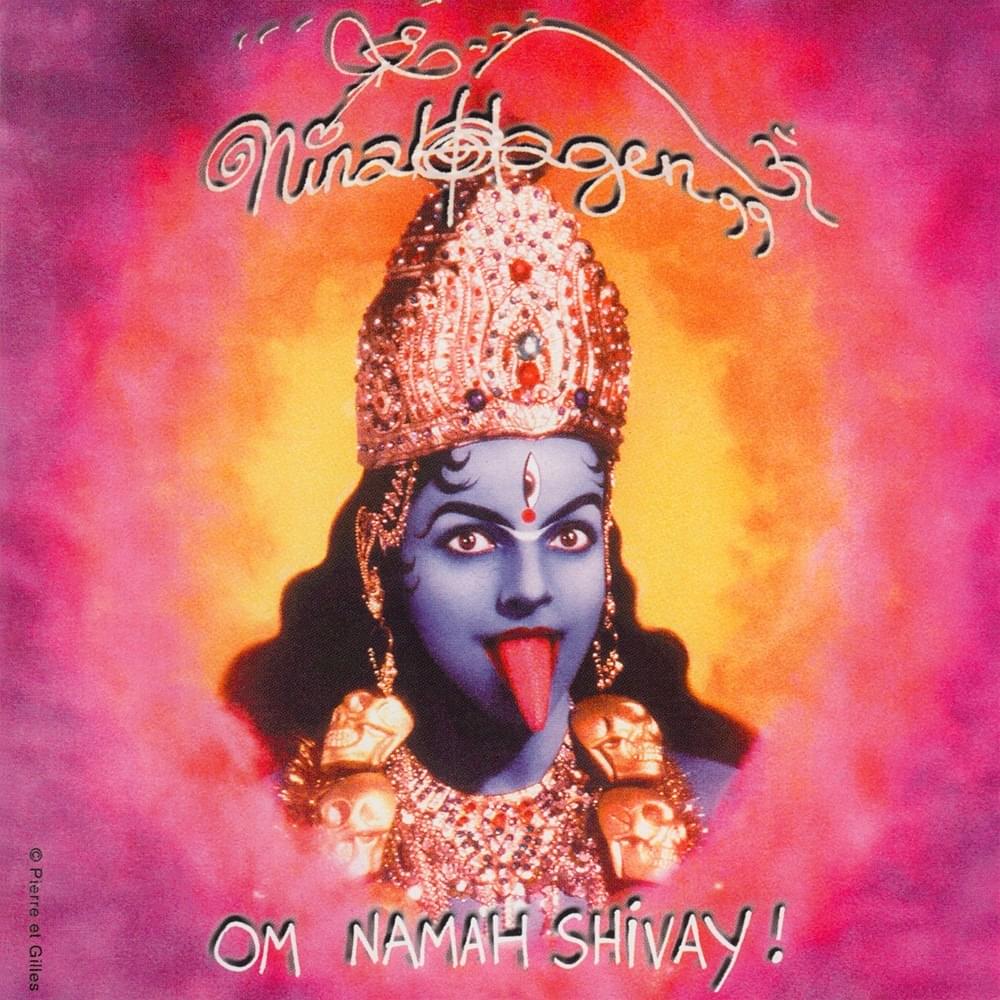
Nina Hagen's "From Durga Saptashati (700 Names in Praise of Mother Durga)" isn't your typical pop song; it’s a sonic invocation, a ritualistic chant set to music. It's a plunge into the deep end of Hindu devotional practice, specifically aimed at the Divine Feminine as embodied by Durga. The song's power lies not in narrative storytelling, but in the raw emotionality and spiritual yearning it evokes through the repetition of sacred names and mantras. For listeners unfamiliar with the source material, the lyrics may seem opaque. However, understanding that the Durga Saptashati is a Hindu scripture dedicated to the goddess Durga unlocks the song's intent. Each line is a different epithet, a different facet of Durga's power and grace.
The repeated phrase "Narayani namostute" translates to "Salutations to Narayani," a common way to offer reverence. The lyrics cycle through Durga's various forms and attributes: She is Sarva Mangala Mangalye (the auspicious among the auspicious), Shiva (the consort of Shiva, representing cosmic balance), and Shakti Bhute Sanatani (the eternal embodiment of power). Hagen isn't just singing words; she's channeling a force, creating a vibrational field designed to connect with the divine. The inclusion of names like Kali, Mahakali, and Kalike emphasizes Durga's fierce, protective aspects, her ability to destroy negativity and uphold dharma.
Ultimately, the song meaning coalesces around the transformative potential of devotion. "From Durga Saptashati" isn't passive listening; it’s an active participation in a spiritual act. Nina Hagen, with her signature vocal intensity, acts as a conduit, urging listeners to shed their inhibitions and surrender to the powerful currents of faith. The song’s intent, then, isn't merely to entertain, but to awaken a sense of the sacred within, tapping into a wellspring of strength, protection, and divine love.
 View Artist