Song Meaning
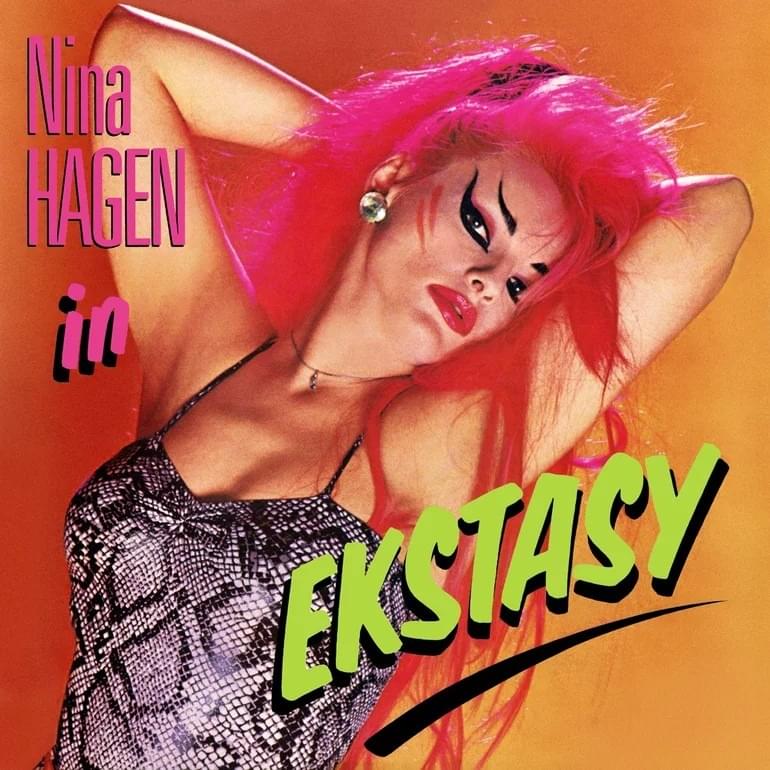
Nina Hagen's "1985 Ekstasy Drive" is less a song and more a primal scream channeled through the static of late-night Los Angeles. The relentless repetition of the address becomes a mantra, a hypnotic suggestion that this specific location – real or imagined – is the nexus of something… well, ecstatic. But is it genuine transcendence or a chemically-induced simulacrum? The ambiguity hangs heavy in the air, thick as smog. Hagen, a punk priestess in her own right, leaves us guessing. The repeated invocation of "Heaven number seven seven seven" adds another layer of cryptic symbolism. The number seven, often associated with completeness and spiritual awakening, is tripled, amplified to the point of near-hysteria.
The lyrical simplicity is deceptive. While the words themselves are sparse, the *way* Hagen delivers them – the raw energy, the theatrical delivery – injects the track with a manic intensity. This isn't a carefully constructed narrative; it's a visceral experience. The "ha ha ha hee hee hee" refrain teeters on the edge of madness, a Joker-esque laugh that hints at the precarious balance between euphoria and a complete psychological unraveling. The address itself, "1985 Ekstasy Drive," situates the song firmly in a specific cultural moment. 1985 was a year of excess, of neon-drenched hedonism, and Hagen seems to be both celebrating and satirizing that era.
Ultimately, the song meaning of "1985 Ekstasy Drive" resides in its unsettling juxtaposition of the sacred and the profane. The "direct line to Heaven" is juxtaposed with the earthly, decidedly un-holy address, suggesting a blurring of boundaries, a collapse of traditional notions of spirituality. Is Hagen offering a genuine path to enlightenment, or is she merely peddling a cheap imitation, a fleeting high disguised as eternal bliss? It’s up to the listener to decide whether to answer the invitation to visit 1985 Ekstasy Drive, and risk getting lost in the hall of mirrors.
 View Artist