Song Meaning
Nils Lofgren's "You" is a masterclass in the art of quiet desperation, a subtle exploration of unrequited affection masked in gentle melodies. The song isn't a blaring declaration of love, but rather a soft-spoken plea, a yearning for a depth of connection that remains frustratingly out of reach. Lofgren paints a portrait of a relationship defined by intimacy and comfort, yet haunted by an imbalance of emotional investment. The recurring line, "You have everything I need / Except a burning love for me," serves as the song's aching core, a constant reminder of the subtle yet significant void. It's not about a lack of affection, but a deficiency in its intensity.
The lyrics navigate the complexities of a love that feels both present and absent. The initial infatuation is palpable ("When I first saw you that day / I had to ask you stay"), suggesting an immediate connection, a sense of destiny. However, this initial spark seems to have plateaued, leaving the narrator in a state of perpetual longing. The line "Still, there's a distance I can't close / I'm in deeper, and it shows" speaks volumes about the growing disparity in feelings, the painful realization that one partner is more invested than the other. The smile during lovemaking, initially a symbol of joy, now carries a hint of melancholy, a reminder of the emotional gap that persists despite physical intimacy.
Ultimately, the song meaning of “You” is a raw and honest portrayal of vulnerability. Lofgren doesn't resort to anger or resentment; instead, he expresses a profound desire for reciprocity. The imagery of rain washing away pain and birds singing highlights the positive impact of this person's presence, but also underscores the yearning for something more profound. The repeated request, "I want you more in love with me," is not a demand, but a heartfelt wish, a desperate attempt to bridge the emotional chasm. “You” resonates because it taps into the universal fear of loving someone more than they love you, a fear that whispers in the quiet moments of even the most seemingly perfect relationships.
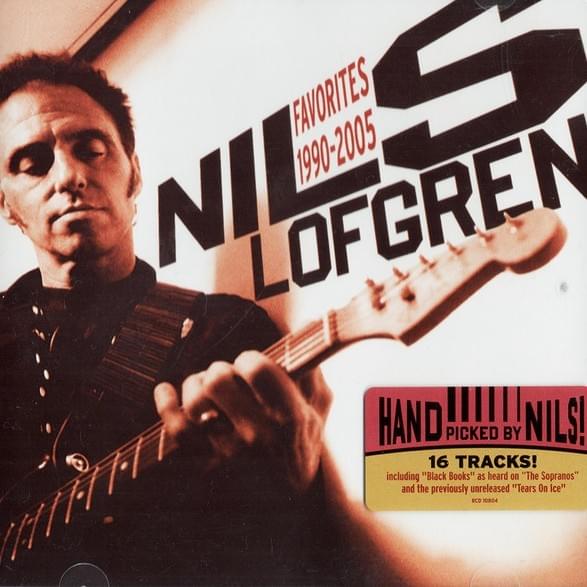
 View Artist