Song Meaning
{"song_id": 13984146, "meaning": "Nils Lofgren's \"On the Way Home\" is a masterclass in understated yearning, a sonic postcard from the edge of self-discovery. The opening lines paint a picture of transformative experience, something so potent it induces a kind of ecstatic madness. It's the kind of change that throws everything into question, leaving the narrator suspended between who he was and who he's becoming. The 'smoke ring day when the wind blows' simile is particularly evocative, suggesting a fragile, ephemeral beauty easily disrupted. This isn't a homecoming in the literal sense; it's a journey inward, a reckoning with the self. The promise of return is tentative, qualified by the stark possibility of never coming back at all. This ambiguity isn't coldness; it's honesty.
The core of the song meaning lies in the complex interplay between identity and perception. 'I saw myself as you knew me' is a poignant acknowledgment of how others shape our understanding of ourselves. The 'change' allows a glimpse 'through me,' suggesting a newfound vulnerability, a stripping away of pretense. But the twist – 'the other side is just the same' – hints that this transformation, while profound, hasn't fundamentally altered the narrator's essence. He's still the same person, just seen with greater clarity, both by himself and by the object of his affection.
Ultimately, \"On the Way Home\" posits that authentic connection is the ultimate validation. 'You can tell my dream is real because I love you' isn't just a romantic sentiment; it's an existential statement. The ability to love, to feel deeply, is presented as proof of the dream's validity, a tether to reality in the midst of profound personal change. Time's relentless march is acknowledged, but the song subtly argues that our feelings are the true measure of our existence. The repeated question, 'Can you feel it now?' isn't a plea for reciprocation, but an invitation to share in this moment of raw, unfiltered emotion, to recognize the truth of the narrator's experience."}
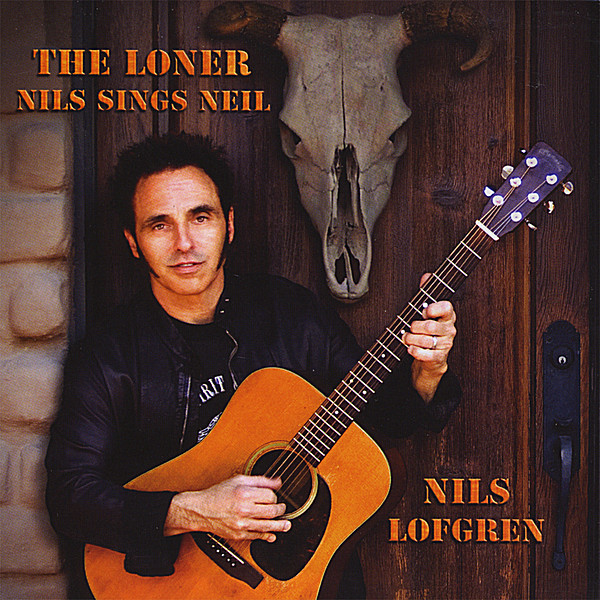
 View Artist