Song Meaning
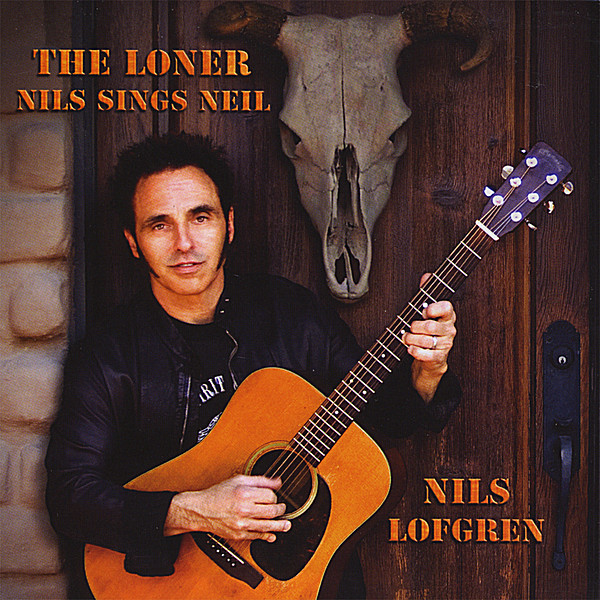
Nils Lofgren's rendition of "Mr. Soul" isn't just a cover; it's a raw, introspective excavation of identity under the relentless glare of public perception. The opening lines, "Oh, hello, Mr. Soul / I dropped by to pick up a reason," immediately plunge us into a quest for meaning. Lofgren isn't merely singing; he's wrestling with the disorienting experience of fame, the feeling of being both known and utterly unknown. The 'reason' he seeks is the rationale behind the disconnect between his inner self and the image reflected back at him by the world. The line "my head is the event of the season" drips with both ego and self-deprecation, hinting at the psychological tightrope walk of an artist caught in the whirlwind of attention. This is not simply about fame being 'good' or 'bad,' but about its inherent alienating properties.
The lyrics delve deeper into the artist's struggle to reconcile his evolving self with the expectations of others. The messenger bearing a letter and the fan's paradoxical praise ("You're strange, but don't change") highlight the impossible demands placed upon artists to remain authentic while simultaneously conforming to an idealized public persona. This tension is further amplified in the lines about a stranger putting 'the tease' on, suggesting a manipulative dynamic where external forces try to shape and commodify his identity. Lofgren seems acutely aware of the performative aspect of fame, the way in which his 'face' becomes a mask, a commodity to be consumed and judged.
The song's anxiety peaks with the haunting premonition: "In a while will the smile on my face / Turn to plaster." This fear of emotional calcification, of becoming a hollow caricature of oneself, resonates with the broader theme of authenticity versus artifice. The 'clown who is sick' performing a 'trick of disaster' encapsulates the self-destructive potential inherent in sacrificing one's true self for the sake of public approval. The final lines, questioning whether it's 'strange' to change and deferring the answer to 'her,' underscore the artist's profound uncertainty and the external pressures that contribute to this internal conflict. Ultimately, Nils Lofgren's interpretation of "Mr. Soul" becomes a stark and unflinching examination of the psychological toll exacted by the relentless pursuit of fame and the struggle to maintain one's soul intact.
 View Artist