Song Meaning
Nils Lofgren's "Man in the Moon" isn't just a song; it's a stark, emotionally raw snapshot of adolescent trauma and the desperate search for escape. The lyrics paint a picture of a young narrator grappling with a horrific event: his friend, Jimmy, driven to the brink by romantic jealousy and inner turmoil, pulls a gun and attempts suicide in front of him. This single act of violence shatters the narrator's already fragile sense of reality, forcing him to confront adult themes of death, betrayal, and the utter senselessness of violence far too early. The narrator's age (14) is deliberately emphasized, highlighting the profound loss of innocence and the feeling of being utterly unprepared for the weight of such experiences. The lyrics evoke a deep sense of alienation and a yearning for a simpler, safer existence, far removed from the pain and confusion of his current reality.
The recurring plea to "live with the man in the moon" functions as a powerful metaphor for escapism. The moon, a distant and seemingly unreachable place, represents an idealized sanctuary, a place where the narrator can shed the burdens of his trauma and reclaim his stolen childhood. It's a fantasy rooted in a desperate need for emotional distance and a longing for a world governed by childlike wonder rather than the harsh realities of human suffering. The narrator's rejection of Wanda and "this"—the entire situation—is a visceral expression of grief and anger. He's not just rejecting a girl or a specific circumstance; he's rejecting the world that has allowed such horrors to occur, a world where burying a friend precedes the simple joy of a first kiss.
The line "I've seen this kinda thing on TV / But all of them were fat and 43" adds another layer of complexity. It speaks to the desensitization and disconnect fostered by media portrayals of violence, while simultaneously highlighting the narrator's unique position as a child thrust into an adult tragedy. He recognizes the familiar narrative, yet feels utterly unprepared and overwhelmed by its real-life manifestation. The song’s power lies in its unflinching portrayal of adolescent vulnerability and the universal desire to escape from pain, even if that escape is only a dream of living among the stars.
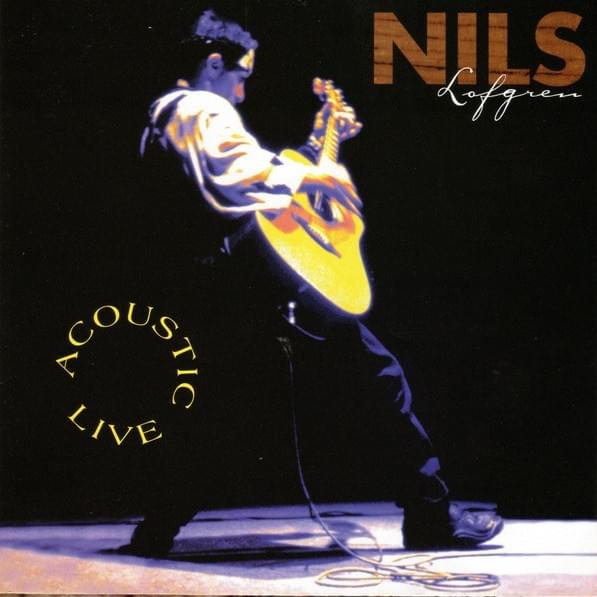
 View Artist