Song Meaning
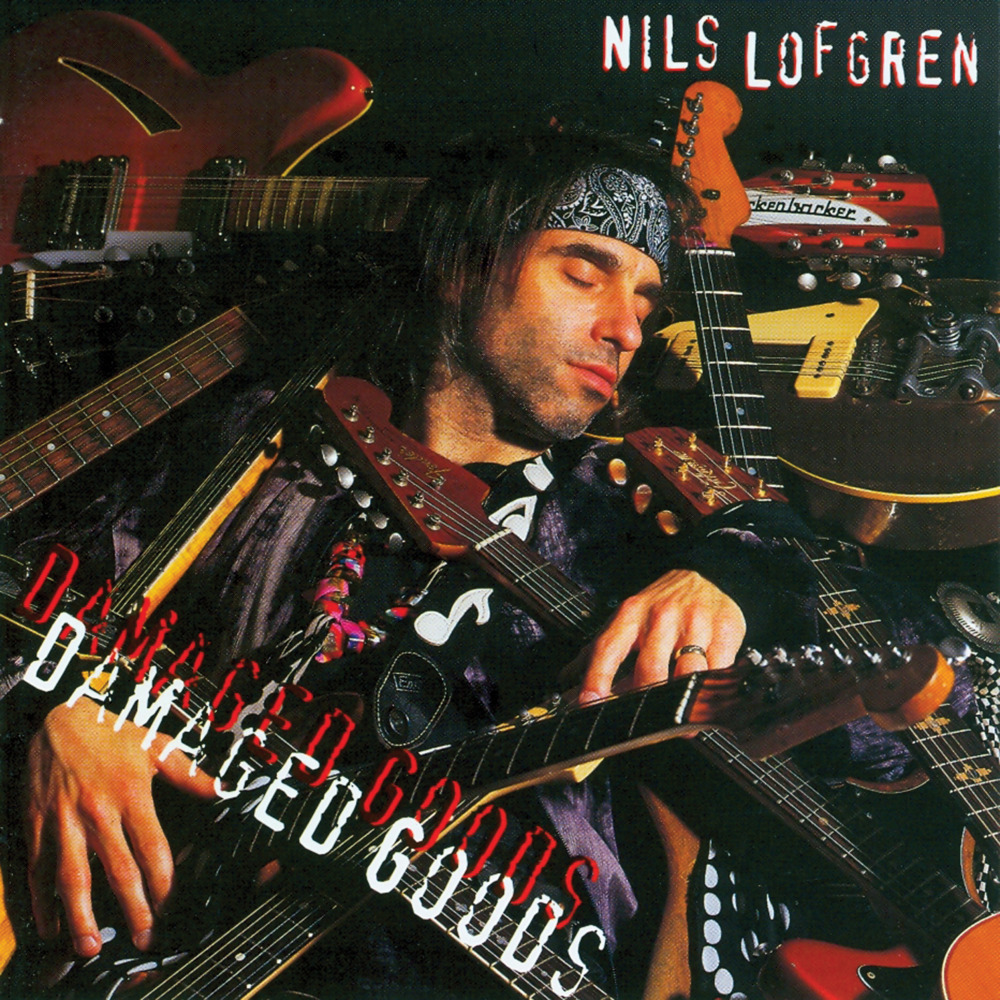
Nils Lofgren's "Damaged Goods" isn't a lament; it's a proposition. A starkly honest one, delivered with the kind of weary hope that only comes from knowing the depths of human frailty. Forget the airbrushed fantasies—Lofgren cuts straight to the chase, acknowledging his own imperfections and, by extension, those of his partner. He's not offering perfection, but something far more valuable: unconditional acceptance. The opening lines, "You could find someone prettier than me / You won't like all the talk you hear," serve as a bracing dose of reality, a preemptive strike against idealized expectations. It's an invitation to see beyond the surface, to value substance over superficiality. The core idea of the song meaning lies in the potential of shared vulnerability.
Lofgren uses evocative imagery to paint a picture of shared trauma. "Old wounds and tattoos color our skin / The scariest scars lie deep within" isn't just metaphorical; it speaks to the lasting impact of past experiences. The scars are not something to be hidden or ashamed of, but rather acknowledged and integrated into the present. There's a call to action, a rallying cry to confront these inner demons: "Let's drag 'em out, show and tell / Throw 'em all away, walk right out of this hell." The repeated mantra to "put down the past, the shoulds and coulds" emphasizes the need to break free from the shackles of regret and self-recrimination. To stop dwelling on what could have been.
Ultimately, "Damaged Goods" is a testament to the transformative power of love and acceptance. It's about finding solace and strength in shared vulnerability, recognizing that imperfections are not flaws but rather badges of honor, testaments to our resilience. The image of leaving "all the trash in a Harley dust" is particularly potent, symbolizing a defiant rejection of the negativity that holds us back. It's not naive optimism, but rather a hard-won belief in the possibility of healing and growth. Nils Lofgren understands that true connection is forged not in spite of our flaws, but because of them.
 View Artist