Song Meaning
The lyrics paint a picture of a figure, "Nanna Father of the Zonei," who is deeply entangled with ancient, cosmic forces. There's an immediate sense of being called by powerful, otherworldly entities – "The Moon is calling Me," "The Breath of the Old Ones / Whispers in my Ear." This isn't a gentle invitation; it's "inhuman Impatience" and a beckoning that suggests a profound, perhaps dangerous, destiny is unfolding. The narrator claims to possess "secrets of the Tides of Blood," hinting at a dark, primal knowledge gained through these cosmic connections.
The central tension arises from the narrator's profound experiences and their unsettling consequences. Having "traveled on the Spheres" and "Walked in the Pit," the narrator finds no protection, only the "Lords of the Wind" and "Lords of the Earth" who are "Angered." This suggests a transgression or a disruption of natural order, where even traversing cosmic realms offers no solace or safety. The narrator's life path has been "Obliterated," their fate no longer "Writ in the Stars" because they "broken the Covenant."
The most striking aspect of the craft is the stark contrast between the narrator's immense power and their utter vulnerability. They command secrets of "Tides of Blood" and have journeyed through cosmic spheres, yet they are unprotected and increasingly desperate. The repeated phrase "does not protect Me" emphasizes this helplessness. The final lines, "Wrought What have I Done," are a desperate, fragmented plea, a stark admission of guilt and confusion after a series of profound, perhaps irreversible, actions. The capitalization of key nouns like "Moon," "Old Ones," "Spheres," "Pit," "Wind," "Earth," and "Gods" lends a mythic, epic quality to the narrator's plight, elevating their personal crisis to a cosmic scale.
These lyrics resonate because they tap into a primal fear of overreaching and the consequences of tampering with forces beyond human comprehension. The narrator's journey, initially perhaps one of seeking knowledge or power, has led to a state of profound isolation and divine disfavor. The raw, almost guttural question at the end, "Wrought What have I Done," is the emotional core, a moment of reckoning that feels both intensely personal and cosmically significant, leaving the listener to ponder the weight of such transgressions.
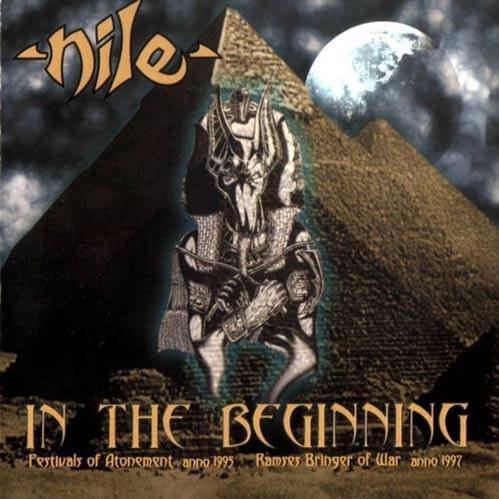
 View Artist