Song Meaning
The lyrics paint a stark picture of a world spiraling into an irreversible end. "Dusk turns ominous," signaling an immediate shift from natural twilight to something far more sinister. A pervasive sense of impending catastrophe hangs heavy, promising an inevitable reckoning. This isn't just an ending; it's a consequence.
The core tension here stems from a looming, inescapable doom, framed as "Penance for evil days." This suggests a past transgression, a collective guilt that has brought about the current despair. The world transforms into a barren landscape, its very ground shifting, highlighting a complete breakdown of stability and hope. The sands of time are running short, and an "unnameable fear" lurks ever nearer. The fear isn't just external; it's a deserved outcome.
The recurring motif of shadows proves particularly effective. Initially, "The shadows lengthen," a natural but ominous progression signaling the encroaching darkness. This imagery evolves, with shadows later described as actively lurking, becoming an almost sentient threat. Ultimately, they are depicted as casting across "untold centuries" in the desolate aftermath, transforming from a mere sign of dread into its enduring, eternal legacy. This progression makes the abstract concept of fear feel tangible and pervasive.
These lyrics resonate by meticulously building a comprehensive vision of apocalypse. They move from a darkening sky to a collapsing cosmos, where "waters of chaos rise," culminating in a desolate remembrance that stretches across time. The specificity of such images, combined with the abstract terror of an "unnameable fear," creates a profound sense of helplessness. It's the relentless escalation, from earthly decay to cosmic undoing, that makes the finality hit so hard.
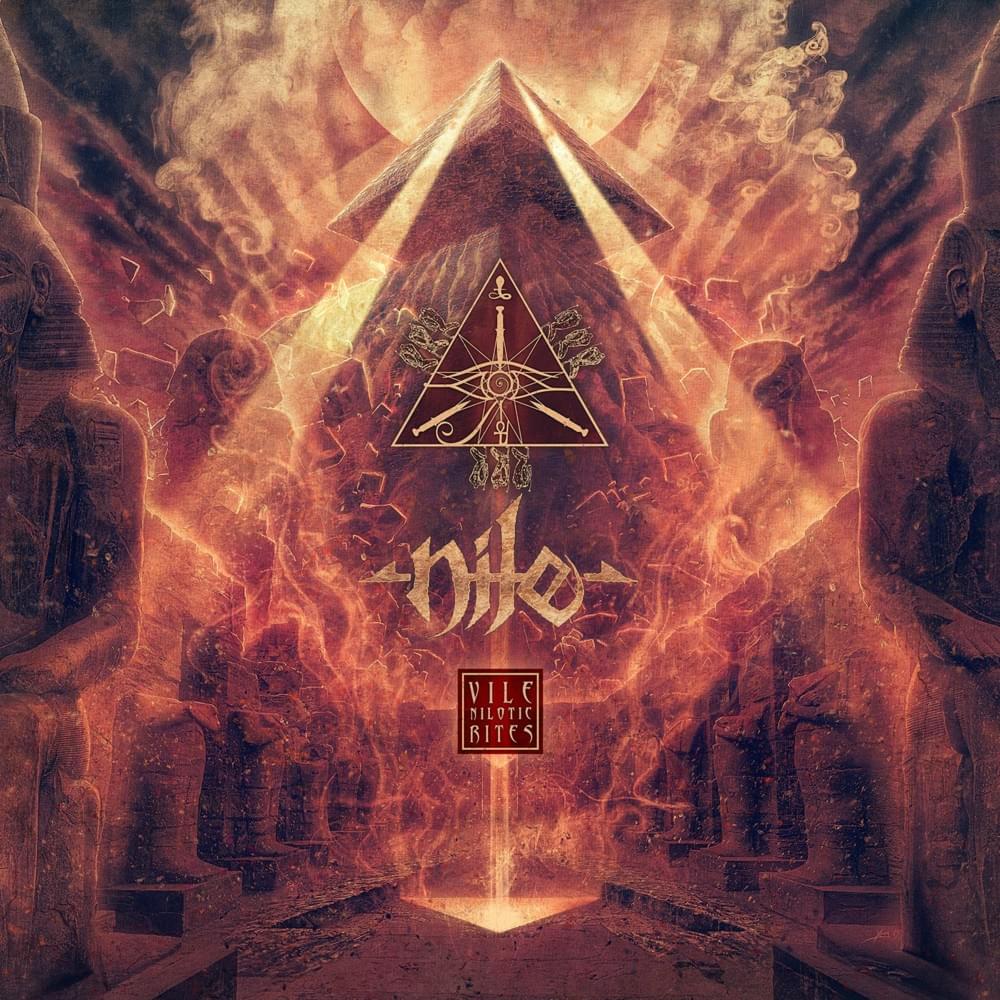
 View Artist