Song Meaning
The lyrics present a powerful, almost ritualistic act of defiance against malevolent supernatural forces. The speaker directly addresses entities identified as "Mut the dangerous dead" and "Bau terror of the living," framing their interaction as a deliberate act of subjugation. The dominant tone is one of fierce control and a desire to sever any connection, even spiritual, with these troublesome spirits. The repeated actions of inscribing, burning, and killing the names of these entities underscore a methodical approach to their eradication.
The central tension lies in the speaker's assertion of power over beings described as "angry spirits of the condemned dead" and "troublesome dead." The lyrics suggest a deep-seated need to prevent these entities from causing further harm, particularly "vengeance against the living." This isn't a plea for help, but a declaration of war, aiming to neutralize threats not just in the present but "in the afterlife" and "even into the underworld."
The most striking aspect of the craft is the relentless focus on the act of "killing thy name." This phrase, repeated with variations like "I kill thy name" and "Thy name is crushed," elevates the destruction of a name to the destruction of the entity itself. It’s a potent image of erasure, suggesting that identity and existence are tied to their appellation, and by destroying the name, the speaker achieves a profound, multi-dimensional victory over the dead.
This lyrical approach is effective because it creates an immediate sense of agency and catharsis for the listener. The speaker’s declarative statements and the visceral imagery of names being inscribed, burned, and crushed evoke a feeling of overcoming overwhelming, unseen threats. The lyrics don't just describe a struggle; they enact a victory, offering a potent fantasy of control and finality against forces that might otherwise seem unconquerable.
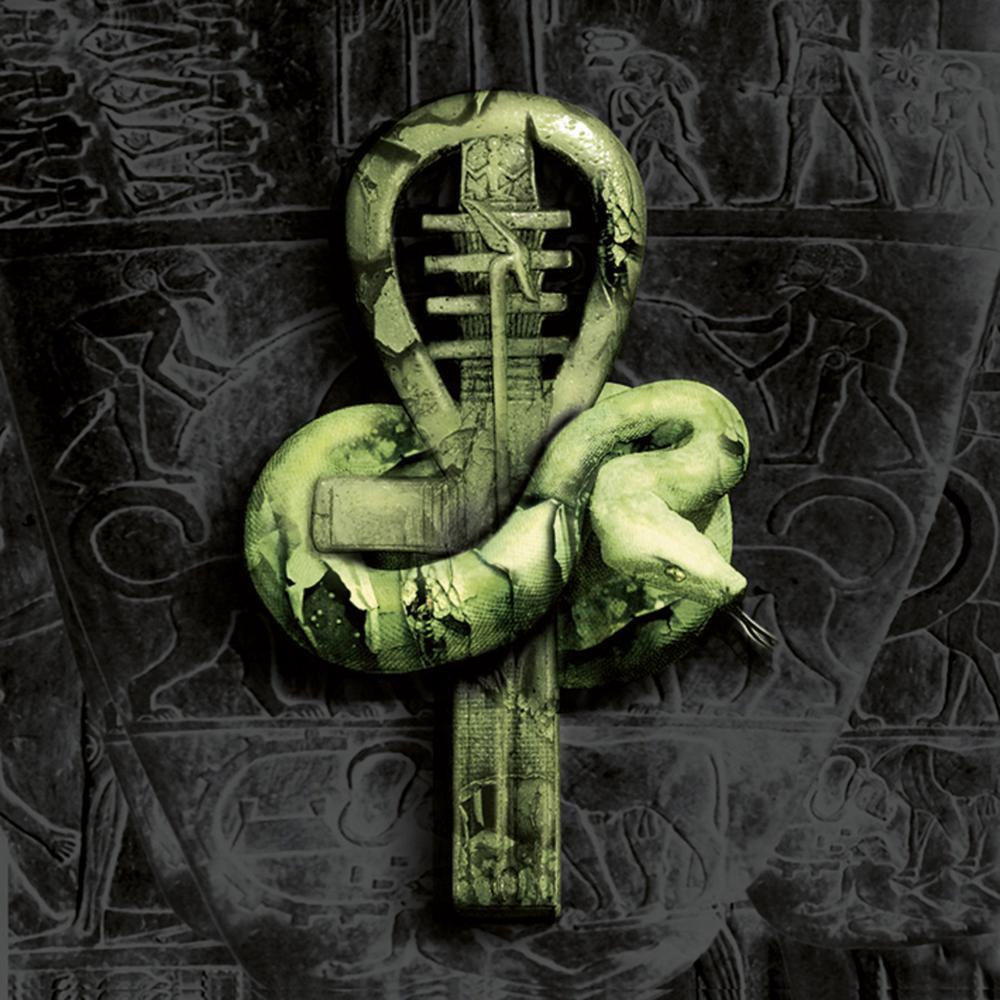
 View Artist