Song Meaning
The narrator is trapped in a one-sided love, feeling utterly confused and wronged by their partner's indifference. They question what they haven't done, yet all the complaints are laid at their feet. The core of their pain is the inability to bear the separation and the sting of being looked at like a stranger, especially when their partner dismisses their feelings while the narrator persists.
The central conflict is the stark contrast between the narrator's intense devotion and the partner's cold rejection. The phrase "Έχεις κάνει έγκλημα καρδιάς" (You've committed a heart crime) frames the partner's actions as a violent offense. This crime leads to the narrator's profound loneliness and a sense of impending doom, as they declare "Σ'αγαπάω και δε μ'αγαπάς / Και θα πεθάνω" (I love you and you don't love me / And I will die). The partner is depicted as a "Φονιάς και δολοφόνος" (Killer and murderer) of their love.
The lyrics powerfully use imagery of complete sacrifice met with utter emptiness. The narrator has "Όλα στα'χω δώσει όλα" (I've given you everything) but received only "πίκρα" (bitterness). The partner's heart is described as "μαύρη σαν τη νύχτα" (black as night), a stark visual metaphor for their perceived cruelty. The narrator's tears are even trampled upon, highlighting the depth of their despair and the partner's complete disregard for their suffering. The narrator's love is elevated to divine status ("σαν Θεό μου" - like my God), making the resulting "διαλύσει" (destruction) all the more devastating.
This lyrical construction is effective because it grounds abstract emotional pain in concrete, albeit hyperbolic, accusations and vivid, dark imagery. The direct address and desperate questioning create an immediate sense of raw vulnerability. The relentless repetition of the partner's perceived crime and the narrator's unwavering, yet unreturned, love amplifies the feeling of being trapped in an inescapable, destructive situation.
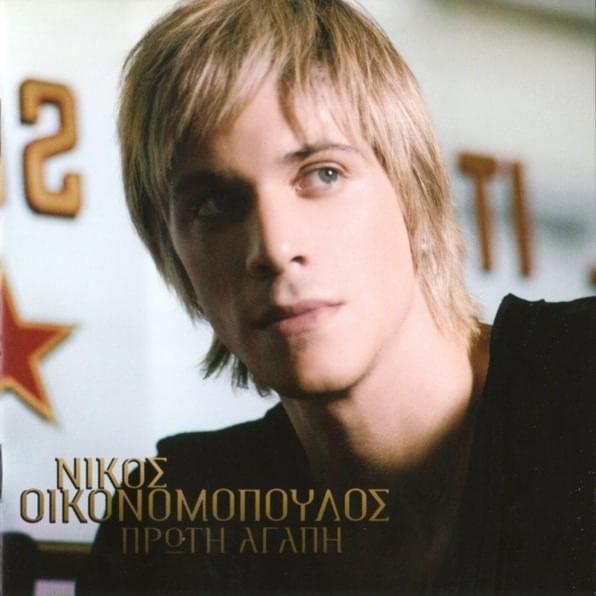
 View Artist