Song Meaning
The lyrics paint a picture of a tumultuous relationship, starting with a raw, almost desperate plea: "Dođi odmah, cela mokra." The narrator immediately questions the timing, "Da li je oktobar?" suggesting a sense of unseasonable urgency or perhaps a recurring pattern of intense, possibly ill-advised, encounters. The description of the other person as "Lud, tvrdoglav / Sve što imaš, prodô bi za dolar" paints them as impulsive and perhaps financially reckless, setting a tone of exasperation.
The central tension lies in the narrator's self-perception versus the other person's impact. "A ja nisam takva, povremeno ranjiva / A ti uvek svratiš kad sam sanjiva" highlights a contrast: the narrator claims a different nature, only "occasionally vulnerable," yet this person seems to appear precisely when they are most susceptible, "when I'm sleepy." This suggests a pattern of exploitation or at least unfortunate timing that leaves the narrator feeling exposed.
The chorus hammers home the core sentiment with the repeated accusation: "Å¡to si takav baksuz?" – "Why are you such bad luck?" The imagery is stark and unforgiving: "Promašaj u startu" (a miss from the start), "Moja greška, lapsus" (my mistake, a slip-up), and the chilling "Prvi red u paklu" (front row in hell). This isn't just disappointment; it's a declaration of this person being a fundamental error, a guaranteed disaster, and a source of profound suffering.
Ultimately, the lyrics convey a sense of resignation and the need for self-preservation. The narrator declares, "Moram da ti kažem zbogom / I da dignem zidove" (I have to say goodbye to you / And build walls), recognizing a need to protect themselves from this destructive influence. The final line, "Jer pripadam samo onom / Å to me ne da nikome" (Because I belong only to the one / Who won't give me to anyone), suggests a desire for a possessive, protective love, a stark contrast to the chaotic energy the "baksuz" brings.
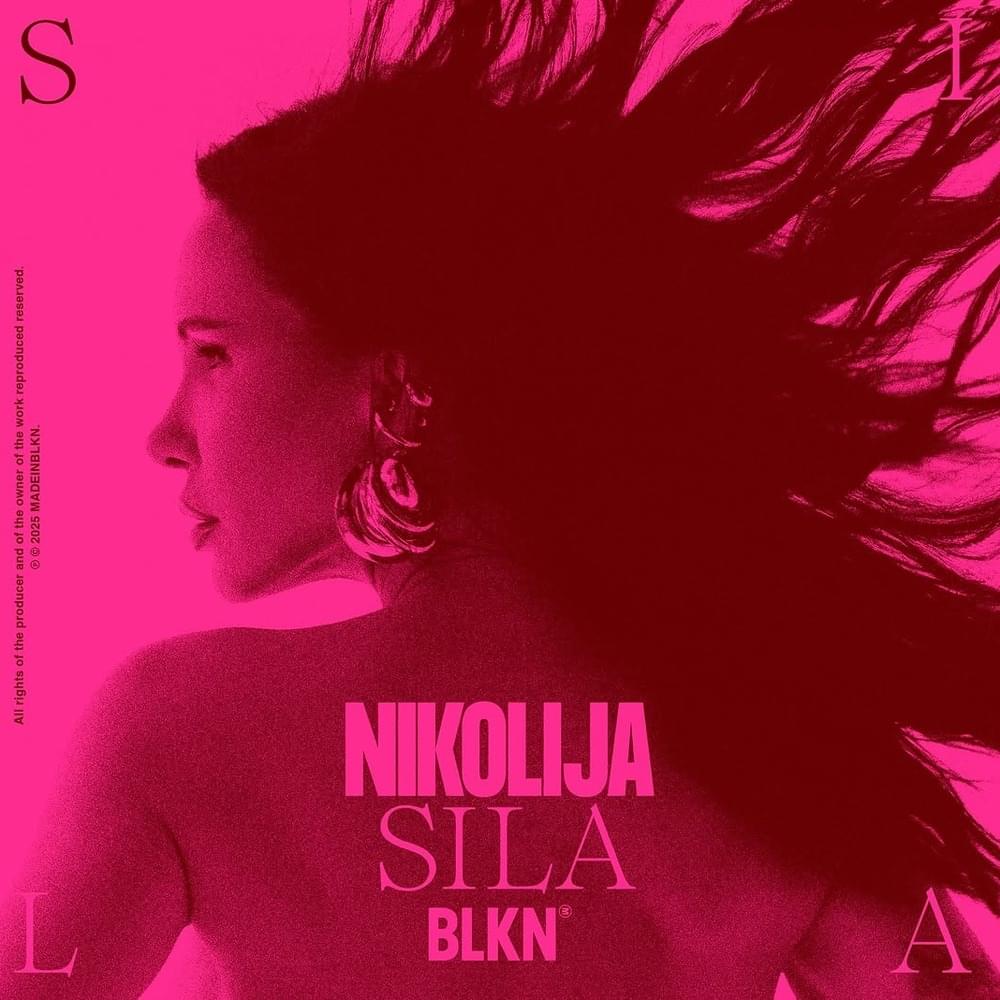
 View Artist