Song Meaning
The lyrics paint a vivid picture of a past love affair, beginning with a springtime arrival and a deep, almost intoxicating connection. The narrator recalls shared moments of intense affection, like late-night conversations on the balcony and waking up to a bright, lively morning. These early days are characterized by a sense of shared joy and creative expression, with music and dancing filling their time. The imagery of drinking tea with milk and honey and the spontaneous road trip to Lidingö further emphasizes a feeling of idyllic, almost carefree happiness.
The central tension arises from the stark contrast between the vibrant beginning and the abrupt, unexplained end. The narrator reflects on the passage of seasons, noting how the initial excitement of autumn, perceived by the partner as a new beginning, was met with the narrator's internal emptiness as summer faded. This internal disconnect foreshadows the eventual dissolution of the relationship, highlighting a growing divergence in their emotional experiences.
The most poignant craft element is the recurring motif of memory and regret, particularly the phrase "Om jag vetat det jag vet nu, när du fanns hos mig. Nu är det försent" (If I had known what I know now, when you were with me. Now it's too late). This refrain underscores the narrator's retrospective understanding and the painful realization of what was lost. The final image of the "sista morgonen" (last morning), where "allting var förbi" (everything was over) after something happened during the night, leaves the ending shrouded in mystery, amplifying the sense of loss and unresolved questions.
Ultimately, the effectiveness of these lyrics lies in their evocation of a deeply felt, yet ultimately transient, love. The specific, sensory details—the taste of tea with milk and honey, the sound of a guitar, the sight of a bird hitting the car—ground the emotional narrative in tangible reality. The narrator's questioning of their past actions, "Jag undrar vad vi tänkte på" (I wonder what we were thinking), resonates with a universal feeling of looking back on youthful decisions with a mixture of fondness and bewilderment, making the personal story feel profoundly relatable.
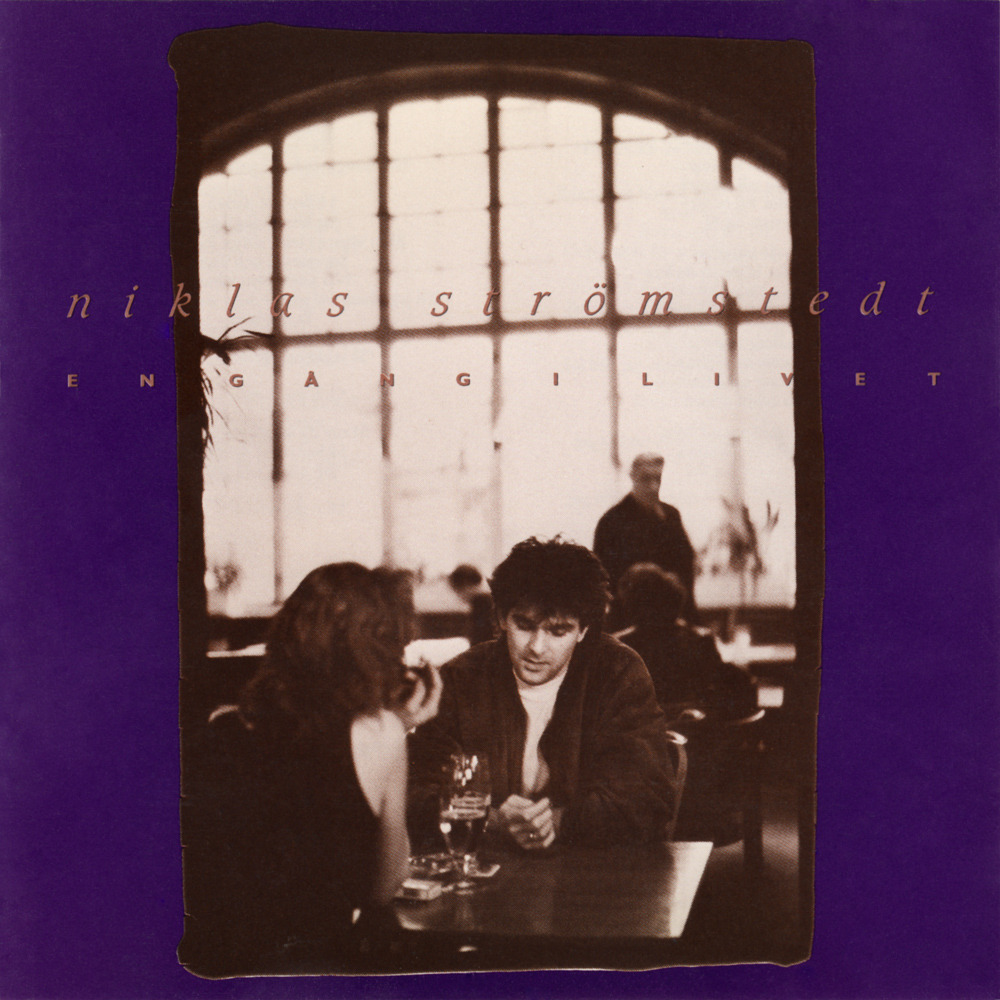
 View Artist