Song Meaning
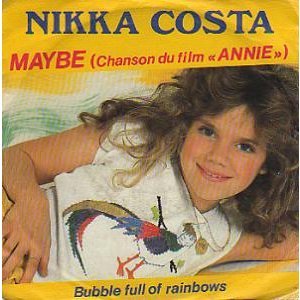
{"song_id": 14616375, "meaning": "Nikka Costa's \"Maybe\" isn't just a song; it's a raw, exposed nerve of longing disguised as hopeful speculation. The lyrics paint a picture of idealized adoptive parents, filtered through the lens of a child's yearning. It's a series of 'maybes' and 'betcha' statements, each one a fragile construct built upon the fundamental desire for belonging. The listener is drawn into this imagined domestic scene – the coffee pouring, the tie straightening, the distant house hidden by a hill. These are not memories, but carefully crafted fantasies designed to fill a void. Costa isn't just wondering about her birth parents; she's actively creating them in her mind, imbuing them with qualities she craves: youth, intelligence, an appreciation for art, and inherent goodness.
The repeated use of 'maybe' highlights the uncertainty and vulnerability at the heart of the song. It's a child's tentative grasp at a reality she's been denied. The line 'Their one mistake was giving up me' is particularly poignant, revealing a deep-seated sense of abandonment and a subtle undercurrent of blame. Yet, even in this moment of pain, there's a flicker of self-assurance. The speaker believes she is someone worth regretting giving up. This complex interplay of longing, blame, and self-worth is what makes \"Maybe\" so compelling.
Beneath the surface of hopeful speculation lies a profound need for connection. The imagined parents are not just figures of authority; they are sources of comfort and security. The speaker envisions a closet full of clothes made by her mother, a symbol of nurturing and care. Even the possibility of strictness is acceptable, as long as it comes from 'mine'. The song culminates in a direct plea: 'Won't you please come and get your baby'. This is not just a question; it's a desperate, heartfelt prayer, a final attempt to bridge the gap between fantasy and reality. Nikka Costa's lyrics analysis reveals a portrait of a person grappling with identity, loss, and the enduring power of hope."}
 View Artist