Song Meaning
The lyrics paint a stark picture of loss, opening with a jarring contrast: an "angelface" smiling beneath a "headline of tragedy." This immediate juxtaposition sets a somber tone, suggesting a profound disconnect between outward appearance and devastating reality. The warmth once felt from this smile is now gone, replaced by the cold finality of a graveside farewell, marked by a cross and "forever burning candles." The scene is one of acute grief and the sudden absence of a loved one.
The central tension revolves around the question of why the seemingly pure or good, the "angels," are taken first. This is framed by a sense of cosmic unfairness and a desperate search for meaning in the face of mortality. The narrator grapples with the brevity of life, feeling compelled to "bury my dreams" and "dig up my sorrows," a painful act of reordering priorities after a devastating loss. The repeated plea, "Oh Lord why / The angels fall first?" underscores this profound bewilderment and existential questioning.
A striking element is the narrator's rejection of conventional solace. Thoughts of "Shangri-La" and "the lessons of Christ" offer no comfort, and the narrator admits, "I'll never understand the meaning of the right." Instead, "ignorance lead me into the light," a paradoxical statement suggesting that perhaps a lack of full comprehension, or a surrender to the unknown, is the only path forward. This is further emphasized by the plea for celestial music to "Caress those whom we still need," a desire for comfort not for the departed, but for those left behind.
Ultimately, these lyrics resonate because they articulate a raw, unfiltered response to grief. The writing doesn't shy away from the confusion and anger that loss can provoke, nor does it offer easy answers. The shift from the personal tragedy to broader existential questions, coupled with the rejection of traditional comforts, creates a powerful and unsettling emotional landscape. The final lines, where a "moonbeam" transforms the departed friend into a "guardian," suggest a fragile hope or a reinterpretation of loss, moving from sorrow to a sense of enduring presence, however ethereal.
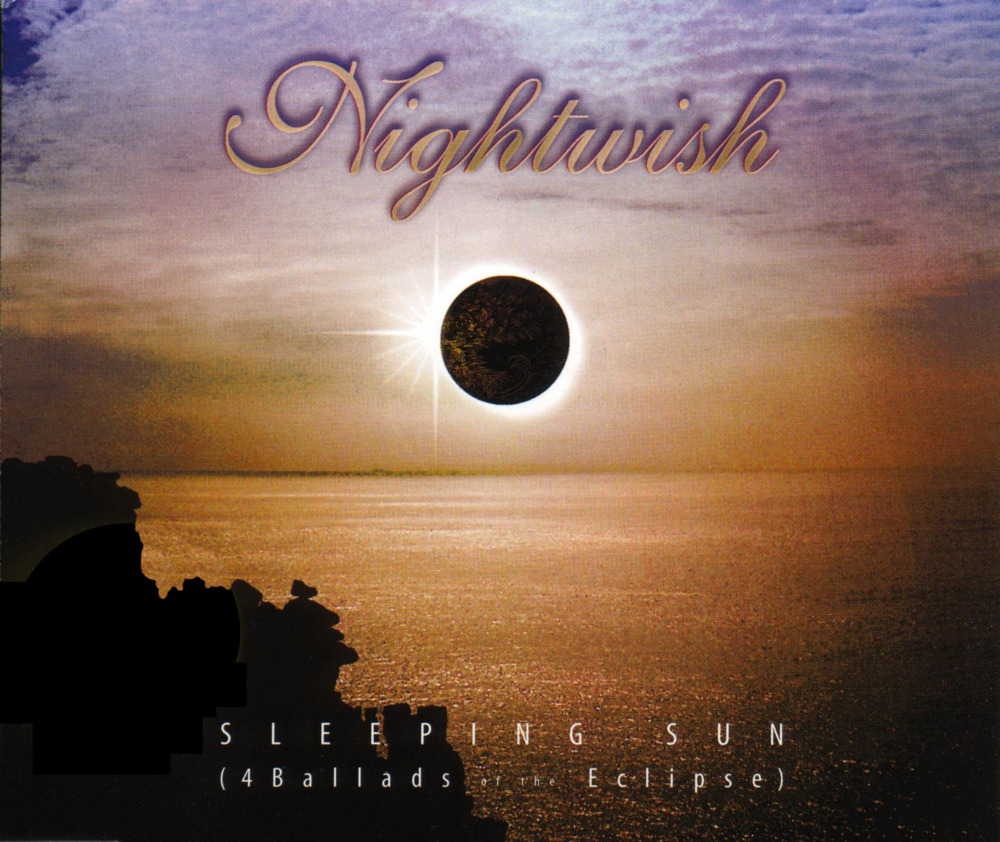
 View Artist