Song Meaning
These lyrics plunge us into a stark, intimate moment of self-interrogation. The speaker, seemingly alone in a room, grapples with profound questions about the nature of love. It's a raw snapshot of someone wrestling with their deepest feelings, trying to make sense of emotional completeness.
The central tension revolves around an all-or-nothing approach to affection. The repeated line, "If I don't love you completely, do I even love you at all?" suggests an intense, perhaps overwhelming, standard for connection. This external query quickly pivots inward, as the speaker then asks, "Will I ever love me completely?" This shift reveals a deeper struggle: the difficulty of extending the same unconditional acceptance to oneself that is sought (or demanded) in another relationship.
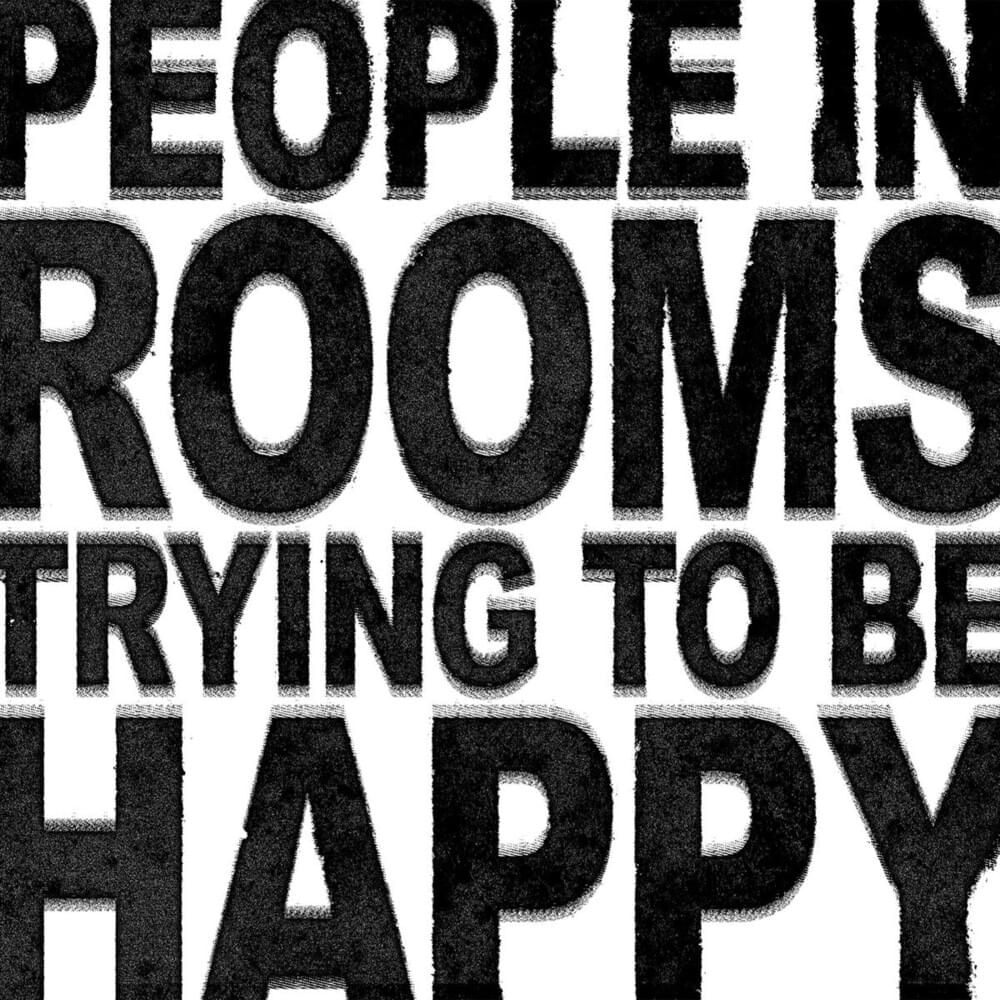
The craft here is deceptively simple but highly effective. The stark repetition of "Days gone by" creates a sense of time dragging, perhaps without resolution, underscoring the speaker's feeling of being stuck. Juxtaposed against these weighty, existential questions is the blunt, vulnerable admission: "I'm just a person in a room trying to be happy." This contrast grounds the abstract emotional turmoil in a relatable, almost mundane, reality of isolation and a universal yearning.
Ultimately, these lyrics hit hard because they articulate a common, often unspoken, anxiety. They capture the exhausting internal debate of whether one's love is sufficient, and more poignantly, whether one is capable of truly loving oneself. The sparse language and direct questioning create an echo chamber for anyone who has ever felt like "just a person in a room" wrestling with the messy, incomplete nature of human connection.
 View Artist