Song Meaning
This track paints a picture of sudden, devastating heartbreak. The opening lines set a somber tone, with clouds literally creeping in as the narrator weeps. The immediate shock of a loved one leaving town is palpable, described as turning the narrator's "whole world upside down." This isn't just a breakup; it's an existential crisis, as the narrator admits, "Everyone knows I can't make a move without you." The feeling of finality is already settling in, a premonition of permanent loss.
The core tension lies in the narrator's inability to accept the departure and the dawning realization of permanent separation. The imagery of "salt sea air" and "windblown hair" evokes a vibrant, perhaps exotic, setting associated with the departed person, now tinged with melancholy. The thought of them being with someone else, "who knows who," flows relentlessly, like a "stream," underscoring the inescapable nature of these intrusive thoughts. The lingering "Brazilian serenaders" add a layer of romantic, yet mournful, atmosphere, amplifying the sense of being lost in sorrow.
The most striking element is the recurring phrase, "Rio de Janeiro Blue," which transforms a specific place into an emotional state. It's not just sadness; it's a profound, almost exotic melancholy tied to the memory of this person and the place they represent. The lyrics suggest this "blue" is a deep, pervasive feeling, intensified by the passage of time and the narrator's isolation. The contrast between the vibrant imagery of Rio and the narrator's internal coldness and loneliness is stark.
Ultimately, the effectiveness of these lyrics stems from their raw emotional honesty and the way they use sensory details to convey deep despair. The simple, direct language cuts through any pretense, making the narrator's pain feel immediate and overwhelming. The shift from shock to a resigned, lonely existence, punctuated by the haunting "Rio de Janeiro Blue," captures the lingering ache of a love lost, leaving the listener with a profound sense of emptiness.
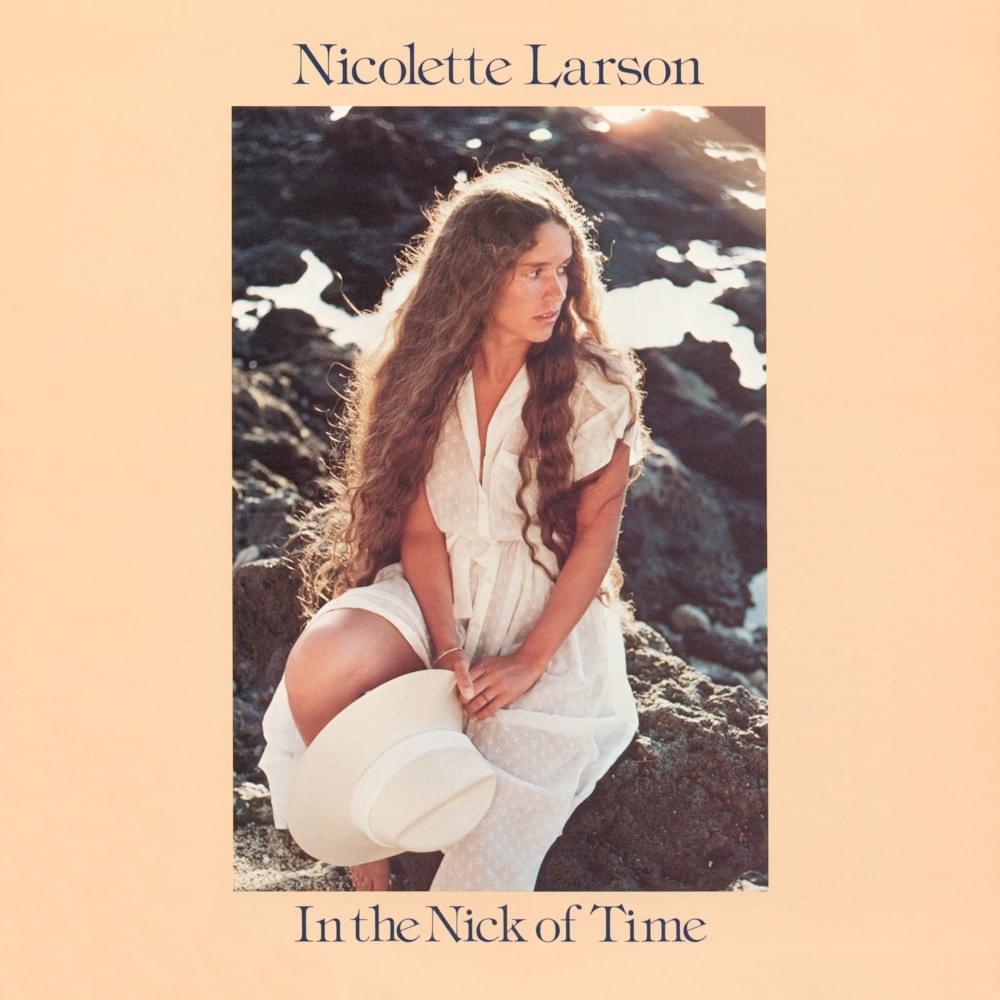
 View Artist