Song Meaning
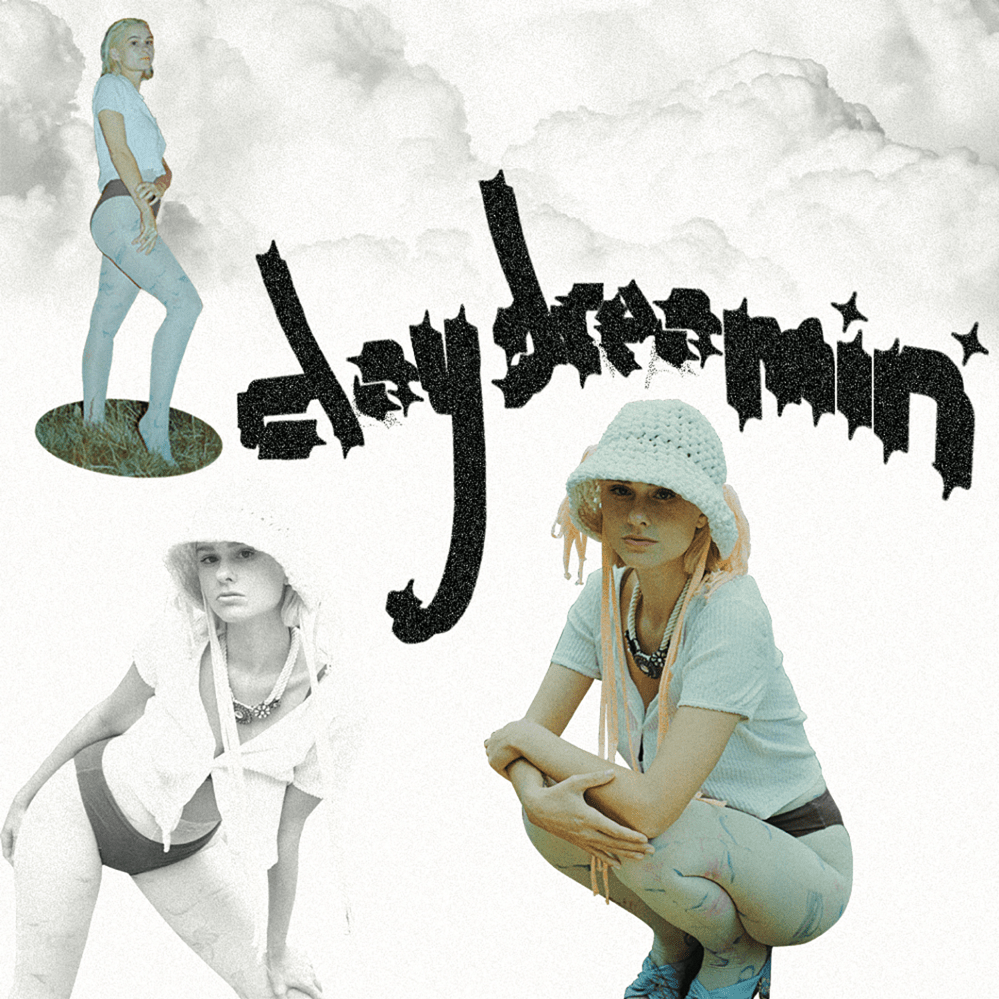
The lyrics paint a picture of someone caught in a cycle of destructive thoughts, using "daydreamin" as an escape from present "havoc." The narrator admits to being "old fashion" and not good at sharing, suggesting a solitary struggle with internal turmoil. This internal chaos is so profound that it imbues past "days of us escaping" with a "deeper meaning," hinting at a longing for a simpler, shared past amidst current difficulties.
The core tension lies between the anger and the inability to truly hate someone. The narrator is "so angry, caught up in these memories," yet simultaneously states, "I could, I could never hate you." This internal conflict fuels the desire to "forget it ever happened" and fantasize about a perfect, "happy ever, ever" future, likely in a "mansion," which serves as a stark contrast to the present "madness."
The relentless repetition of "Daydreamin', daydreamin'" in the chorus acts as a sonic manifestation of the narrator's mental state. It's not just a fleeting thought but an all-consuming state, emphasized by the simple, almost chant-like "oh, na-na." This sonic loop mirrors how the narrator is trapped, returning to the same escapist fantasy as a coping mechanism for overwhelming emotions and memories.
Ultimately, the effectiveness of these lyrics stems from their raw portrayal of emotional paralysis. The contrast between the destructive present and the idealized past/future, coupled with the repetitive, almost hypnotic chorus, captures the feeling of being stuck. The narrator’s inability to reconcile anger with affection, and the constant pull of escapist daydreams, creates a poignant, relatable portrait of internal struggle.
 View Artist