Song Meaning
The narrator finds themselves in a state of emotional chaos, admitting to saying the wrong things and leaving a situation in disarray. There's a plea to avoid a confrontation or a moment of reckoning, encapsulated in the repeated, desperate command: "Don't pull over, just kill the headlights." This suggests a desire to evade judgment or consequence, to keep moving forward without facing the fallout of their actions or words.
The core tension arises from a cycle of perceived betrayal and self-sabotage. The narrator acknowledges their own tendency to mess up, yet also projects a distrust onto the other person, believing they are "bound to stray" and will eventually cause hurt. This creates a push-and-pull dynamic where the narrator initiates the departure but also seems to anticipate the other person's potential actions, framing it as a common "foul of men."
The most striking craft element is the central metaphor of "kill the headlights." It’s a powerful image of deliberately obscuring vision, of choosing to navigate blindly rather than confront what’s ahead. This act of self-imposed darkness serves to prevent the other person from seeing the narrator's true state or intentions, and perhaps to prevent the narrator from seeing the other person's reaction, thereby preempting further emotional entanglement or pain.
Ultimately, the lyrics resonate because they capture a raw, self-aware vulnerability mixed with a defensive posture. The narrator’s admission of fault, coupled with their insistence on leaving and avoiding a direct confrontation, paints a picture of someone who feels trapped in a pattern of destructive behavior. The plea to "kill the headlights" is a plea to escape the immediate moment, to avoid the difficult conversation and the potential for further hurt, both for themselves and the person they are leaving behind.
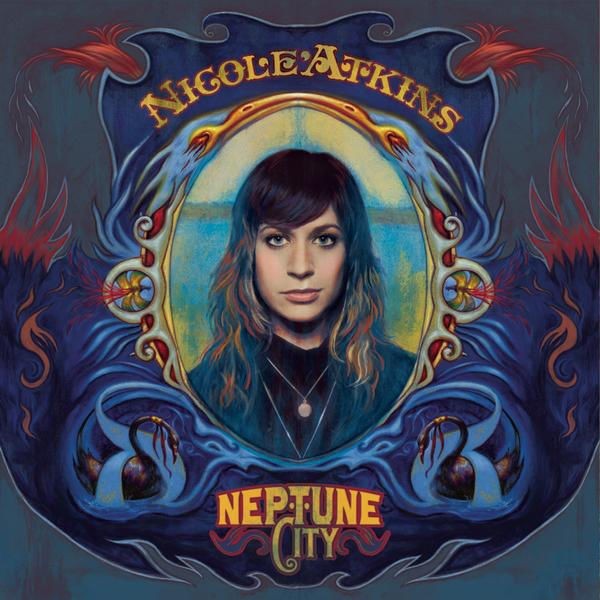
 View Artist