Song Meaning
The lyrics paint a stark picture of a man grappling with profound ignorance and a deep-seated desire for suffering, especially as winter evenings draw in. He acknowledges his lack of knowledge about fundamental aspects of life, like hope or the will to die, suggesting these are things discovered through lived experience. This initial state is one of passive observation and internal turmoil, a man aware of his own unknowing.
The central tension arises from the contrast between this existential uncertainty and a powerful, lingering memory of a past love. This figure was once a guiding light, a source of life and clarity ("Eri nella nebbia la mia luce"), holding the narrator's existence in their hands. The present, marked by morning and wind, seems to echo the past's ambiguity, but the memory of this person provides a focal point for the narrator's current state.
The most striking craft element is the recurring motif of "Un uomo molte cose non le sa" (A man knows many things he doesn't know), which acts as a refrain of self-awareness and limitation. This is juxtaposed with the narrator's active search for meaning, even inventing it, while acknowledging its difference from reality. The lyrics suggest that while objective truth may be elusive, personal conviction and the memory of profound connection can offer a form of subjective certainty.
Ultimately, the effectiveness lies in its raw portrayal of human fallibility and the enduring power of memory. The narrator’s journey from acknowledging ignorance to finding a personal sun "behind those memories" is compelling. It’s this blend of existential questioning and the specific, almost tangible recollection of a lost connection that gives the lyrics their emotional weight, offering a glimmer of hope rooted in personal history.
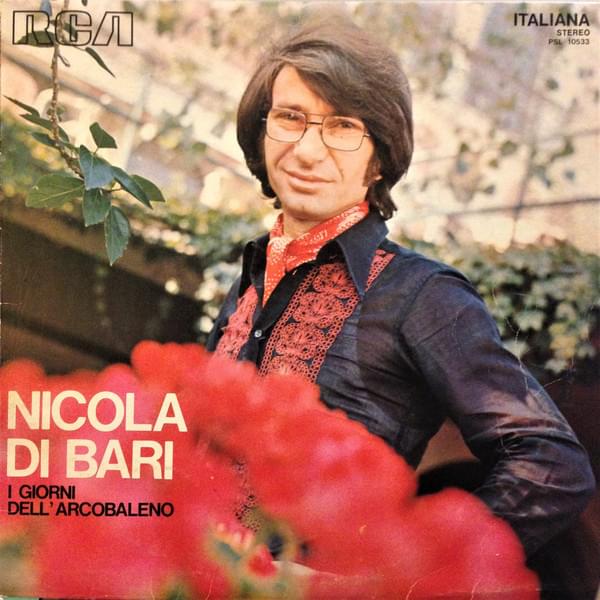
 View Artist