Song Meaning
The narrator offers a steadfast presence, a refuge from past hurts and insecurities. They claim an intimate knowledge of the listener's history and struggles, asserting their reliability with a direct "Di me ti puoi fidare" (You can trust me). This isn't just about comfort; it's about reclaiming a sense of self, promising the listener can "ritrovare / La tua età" (find your age again) in their company. The repeated "Conosco" (I know) emphasizes a deep, almost preternatural understanding.
The core tension lies in the invitation to embrace a new, present love, urging the listener to shed the weight of past experiences. The plea "Prova a chiamarmi amore, se amore c'è" (Try to call me love, if love exists) is a challenge and an offering, asking for a leap of faith. The narrator insists on their ability to make the listener feel empowered, to "sentirti donna insieme a me" (feel like a woman with me), directly contrasting this with the lingering "fantasmi e poesia" (ghosts and poetry) of the past.
The most striking element is the assertive declaration, "Guardami, guardami l'amore sono io" (Look at me, look at me, I am love). This isn't a passive waiting for affection; it's a bold claim of embodying love itself, a direct counterpoint to the listener's potential doubts and past disappointments. The imperative "Rubali, amali i giorni che hai da Dio" (Steal them, love them, the days you have from God) is a powerful call to seize the present, fueled by the narrator's confident presence.
This writing resonates because it directly addresses past pain while offering a potent, present solution. The narrator doesn't shy away from the listener's difficulties, acknowledging "La vita ti ha provato" (Life has tested you), but frames their own presence as the key to overcoming it. The direct, almost commanding tone, coupled with the promise of rediscovering one's vitality, creates a compelling case for embracing this new love.
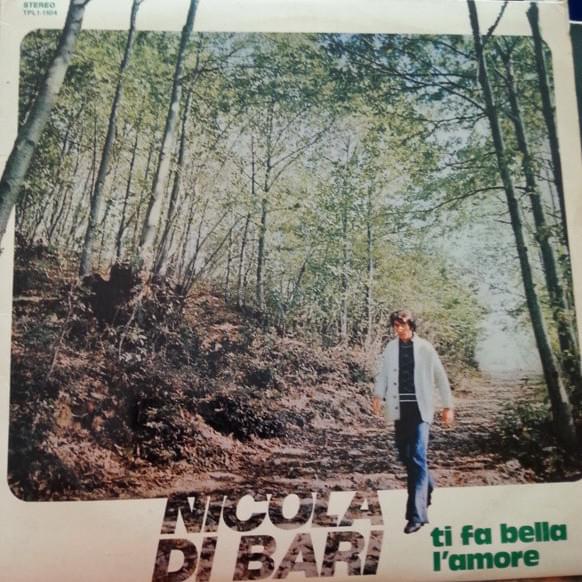
 View Artist