Song Meaning
The lyrics paint a stark picture of absence and loss, opening with a series of desolate images: a river without a bed, a field without flowers, a face without a name. This initial barrage of 'without' establishes a profound sense of emptiness, a world stripped bare of its defining elements. The narrator then contrasts this with vivid memories of a past filled with warmth and beauty – summer winds, ruby sunrises, nightingales singing. These recollections, however, only serve to amplify the present desolation, highlighting what has been lost to time. The repeated phrase 'il tempo ha cancellato tutto' (time has erased everything) underscores this painful transition from abundance to void.
The central tension arises from the narrator's unwavering conviction that this state of emptiness cannot be permanent. Despite the overwhelming evidence of loss, a powerful sense of hope persists. The lyrics suggest a cyclical view of existence, where 'beautiful springs' will inevitably return and 'love will win.' This belief acts as an anchor against the despair evoked by the initial verses, positioning the narrator as someone who actively chooses optimism even when faced with overwhelming evidence to the contrary.
The most striking aspect of the writing is the juxtaposition of these two opposing forces: the bleak reality of the present and the fervent hope for the future. The narrator declares, 'I will be a deluded dreamer, but one day everything will change.' This self-awareness, acknowledging the potential irrationality of their hope, makes the declaration even more potent. It’s not a naive optimism, but a conscious, perhaps defiant, choice to believe in renewal and the eventual triumph of love, even when the world feels 'without love.'
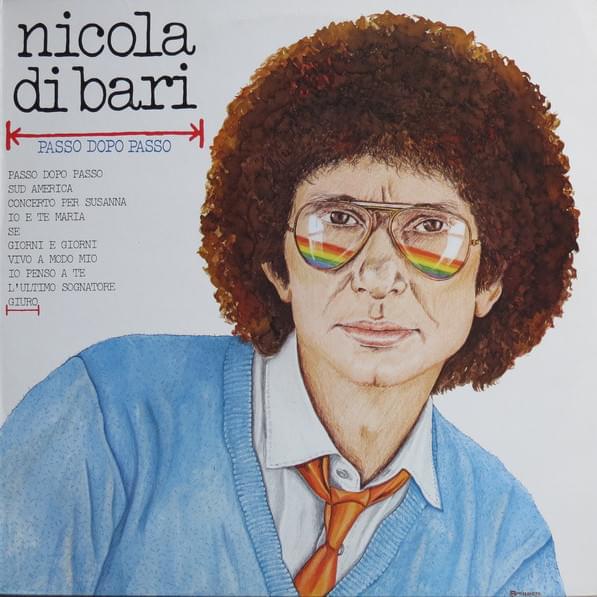
 View Artist