Song Meaning
The lyrics paint a picture of a life shaped by an external, perhaps divine, force, referred to as "your winding winds." This force has cultivated everything the speaker possesses, "all that is my own," leading them to a place of profound introspection and pain. The imagery of "where land and water meet" suggests a liminal space, a point of transition or uncertainty, where the speaker finds themselves "on my soul I sit upon my bed." This is not a place of comfort, but one where they are forced to confront their inner self, acknowledging that this guiding force has also caused them to "bleed."
The verses introduce a cyclical or perhaps generational aspect to this shaping force. The pronouncements "Every child will be a leader," "Every wise man's word a rule," and "Every keeper will be a sleeper" suggest a predetermined order or destiny. These lines imply that roles and knowledge are passed down, but also that even those in positions of authority or guardianship are subject to change or a form of dormancy. The idea of a "guide to ways unshown" hints at a mysterious path that is revealed through these established roles.
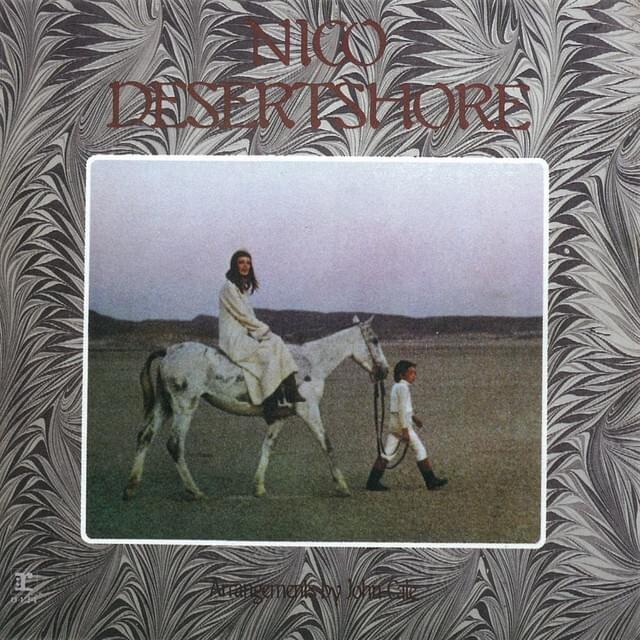
The repeated phrase "meet me on the desert shore" in the latter verses, coupled with "He who knows may pass on / The word unknown," creates a sense of anticipation and a search for deeper understanding. The desert shore, a barren and isolated landscape, implies a place of ultimate truth or a final reckoning, accessible only to those who have grasped some hidden knowledge. The repetition amplifies the urgency and the speaker's longing for this encounter, suggesting a desire to connect with the source of their fate or to find solace in a desolate place.
The effectiveness of these lyrics lies in their evocative, almost allegorical, language. The abstract "winding winds" and "ways" are contrasted with the visceral "bleed," creating a tension between an unseen influence and its tangible, painful consequences. The juxtaposition of grand pronouncements about leadership and wisdom with the personal, solitary act of "sitting on my bed" highlights the internal struggle of accepting a fate that is both bestowed and deeply felt. The recurring chorus reinforces the inescapable nature of this influence, leaving the listener with a sense of profound, perhaps melancholic, acceptance of a life shaped by forces beyond immediate control.
 View Artist