Song Meaning
The narrator grapples with a relationship where they were initially led astray, only to realize the futility of their pursuit. The opening lines hint at external questioning about following something questionable, but the narrator was persuaded. The eventual realization that "it's over" and a decision to "don't come back anymore" marks a turning point, suggesting a painful but necessary detachment from a destructive influence.
The core tension lies in the narrator's shift from being easily convinced to a state of needing very little, having "found something." This suggests a newfound self-sufficiency or a profound disillusionment that simplifies their desires. The repeated phrase "I don't ask much anymore" underscores this transformation, implying a resignation or a quiet strength born from past experiences.
The imagery of throwing a stone and breaking a ripple, or burning someone for holding a candle too close, paints a picture of actions having unintended or disproportionate consequences. The narrator seems to be reflecting on how their own actions or the actions of another led to this point, perhaps suggesting a destructive dynamic where proximity itself becomes a catalyst for ruin. The lines "I gave him the means to the ends" and "I made him just to see in this way" point to a complex, possibly manipulative, dynamic where the narrator feels complicit or responsible for shaping the other person's perception or actions.
This lyrical landscape is effective because it captures the quiet devastation of realizing one has been misled and the subsequent, often understated, process of reclaiming oneself. The shift from being "convinced" to finding "something" and needing "not much anymore" is a powerful arc of self-discovery, even if it stems from a place of loss. The fragmented, almost confessional tone allows the listener to piece together the emotional fallout of a relationship that has left the narrator fundamentally changed.
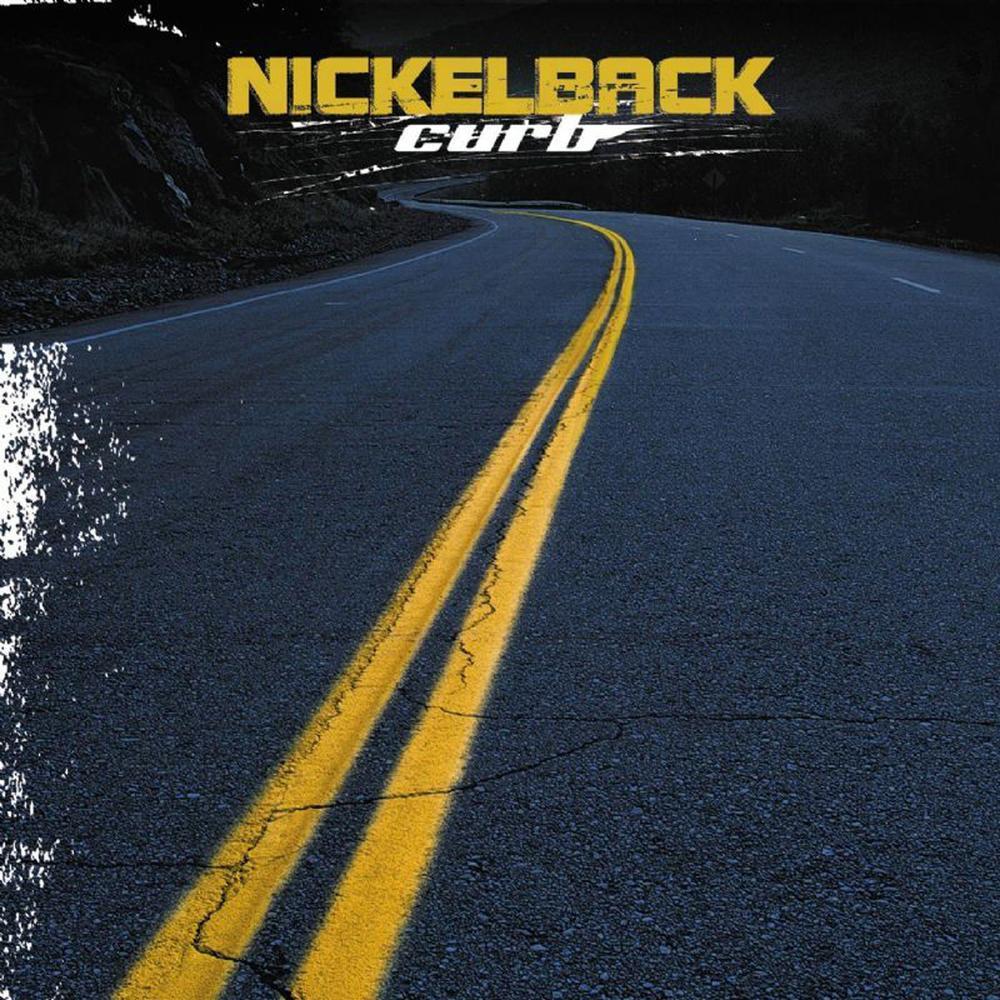
 View Artist