Song Meaning
The narrator is consumed by the memory of a lost love, a longing so intense it dictates their every waking moment and prayer. The opening lines immediately establish a sense of absence, questioning the time since physical intimacy and referencing a broken promise of finding a 'cross there' – perhaps a symbol of commitment or a shared future. This sets a tone of hopeful anticipation tinged with the bitterness of unmet expectations, as even moments of happiness are described as a 'leather crossbow meet to bear,' a heavy, potentially painful burden.
The core of the song is the relentless repetition of "You've been on my mind," a mantra that underscores the narrator's singular focus. This isn't just a fleeting thought; it's an all-encompassing preoccupation. The promise to 'read every line' of a letter suggests a desperate need for connection, a willingness to hang on to any word from the absent lover. The imagery shifts from the personal pain of waiting to a more primal, almost spiritual yearning, listening for a 'dressing drum' and praying for their return.
The second verse crystallizes the memory into vivid, yet fleeting, images: 'dark hair and those dark eyes' that 'burn a light, camp firelight.' This idyllic picture is shattered by the abrupt departure of the lover, leaving the narrator alone with only the echo of their connection, a 'indian love son.' The contrast between the warmth of the memory and the cold reality of abandonment is stark, highlighting the suddenness of the loss and the lingering pain.
Ultimately, the lyrics capture the raw ache of longing after a sudden departure. The narrator’s world has shrunk to the space occupied by this absent person, their thoughts a constant echo of the lost connection. The effectiveness lies in the directness of the repeated phrase and the poignant, almost stark, imagery that contrasts cherished memories with the harshness of being left behind.
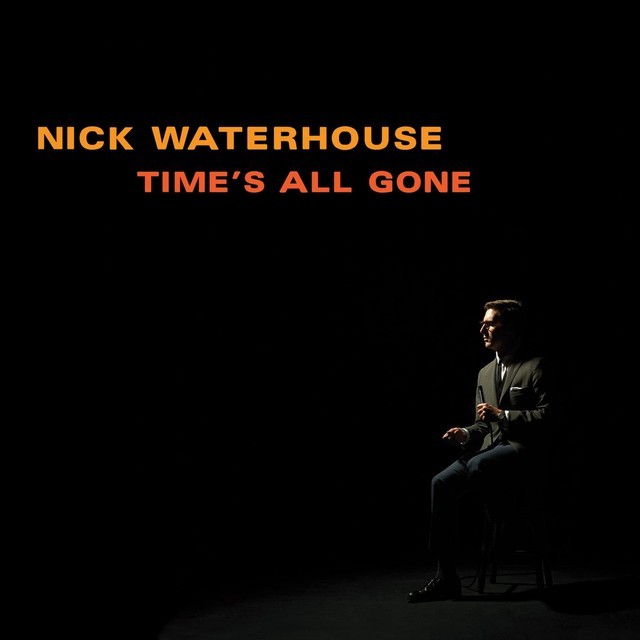
 View Artist