Song Meaning
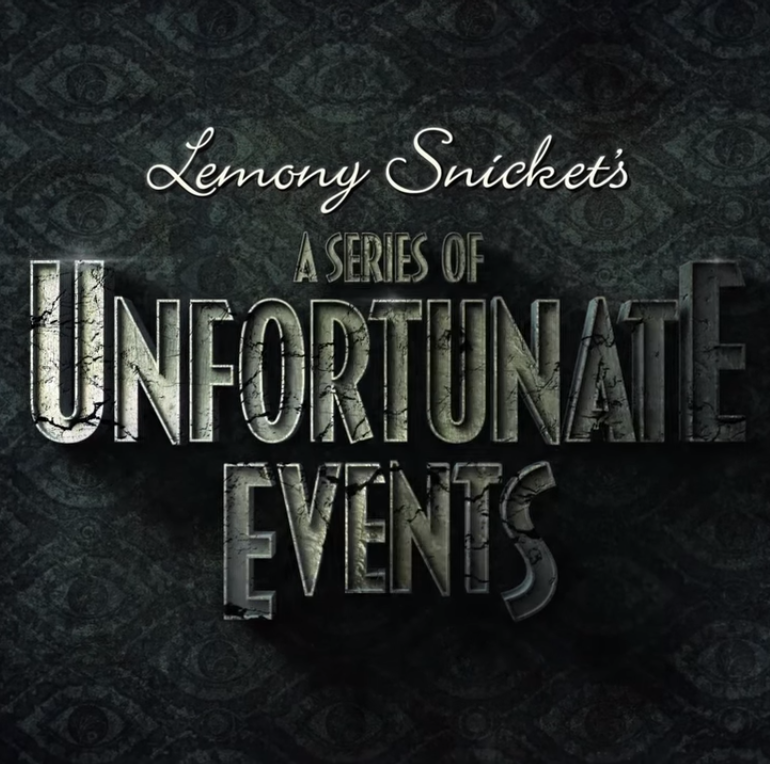
This theme song immediately establishes a tone of dread and foreboding, directly addressing the listener with a repeated, urgent plea: "Look away." The narrator, Count Olaf, frames the upcoming narrative not as entertainment, but as a guaranteed source of misery, promising to "wreck your evening, your whole life and your day." The relentless repetition of "look away" functions as a dark, ironic invitation, daring the audience to engage with the very disaster being warned against. It’s a meta-commentary on the nature of dark storytelling.
The core conflict is presented with stark simplicity: three children are thrust into a nightmare scenario, losing their home and facing a guardian whose sole aim is to "steal their fortune." The lyrics highlight the sheer awfulness of this situation, questioning how anyone could endure it or how a "decent person" would choose to witness such "dismay." This sets up a dramatic tension between the viewer's potential curiosity and the narrator's insistence that the content is inherently unpleasant and even morally questionable to consume.
The most striking aspect of the craft is the narrator's direct address and the inversion of typical theme song conventions. Instead of building excitement, Olaf actively discourages viewing, creating a perverse sense of intrigue. The phrase "nothing but dismay" and the rhetorical question "Should I watch?" are designed to provoke a reaction, making the listener question why they are even listening to a song that tells them not to. The repeated "look away" becomes a hook in itself, a dark promise of what's to come.
Ultimately, the effectiveness of these lyrics lies in their audacious subversion of expectation. By framing the show as something to be avoided at all costs, the song paradoxically makes it sound compellingly dreadful. It’s a bold, unsettling opening that uses negativity and warning as its primary tools, immediately signaling that this is not a typical story, but one steeped in "horror and inconvenience."