Song Meaning
The lyrics paint a picture of youthful ambition clashing with the fleeting nature of time and lost opportunities. The opening lines recall a past self, someone who dreamed of being more, finding the familiar schoolyard too constricting for their aspirations. This era of festivals, marked by lost possessions and a sense of careless abandon, is contrasted with the simple fact of returning home, a grounding detail that hints at a more innocent time.
The core tension lies in the overwhelming realization of how quickly time passes, described as "ungrijpbaar" (elusive) and slipping through one's fingers. The repetition of "Veel te weinig tijd" (Far too little time) and "alweer een dag voorbij" (another day gone by) hammers home this sense of urgency and regret. Each passing day, even a "mooie dag" (beautiful day), is lost to the relentless march of time, leaving a lingering feeling of what could have been.
The imagery of a "februari zon" (February sun) appearing unexpectedly, leading to a forgotten jacket, serves as a subtle metaphor for life's unplanned moments and the easy distractions that pull us away from our goals. Later, the casual gathering of "mannen bij elkaar" (men together) and the acknowledgment of seeing most friends "Nog maar een paar keer per jaar" (only a few times a year) underscores the widening gaps created by time and diverging life paths. The simple act of meeting up becomes a rare event, a testament to how much life has moved on.
Ultimately, the effectiveness of these lyrics stems from their relatable portrayal of adult reflection on lost youth and the inevitable passage of time. The direct, almost conversational language, combined with the recurring refrain about time's elusiveness, creates a poignant and melancholic mood. It captures that specific ache of looking back and realizing how much has slipped away, not through dramatic events, but through the quiet, steady erosion of days.
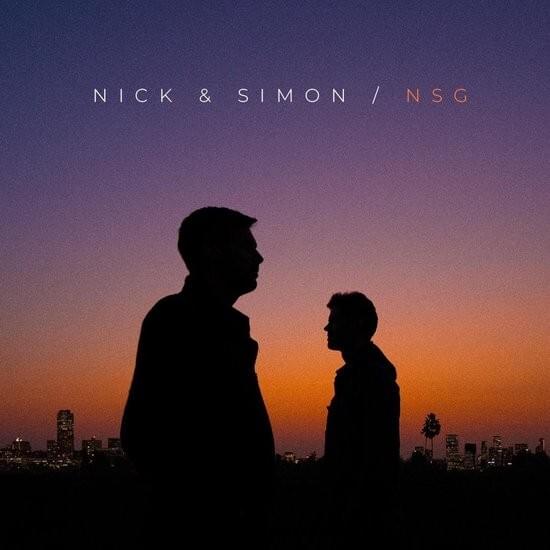
 View Artist