Song Meaning
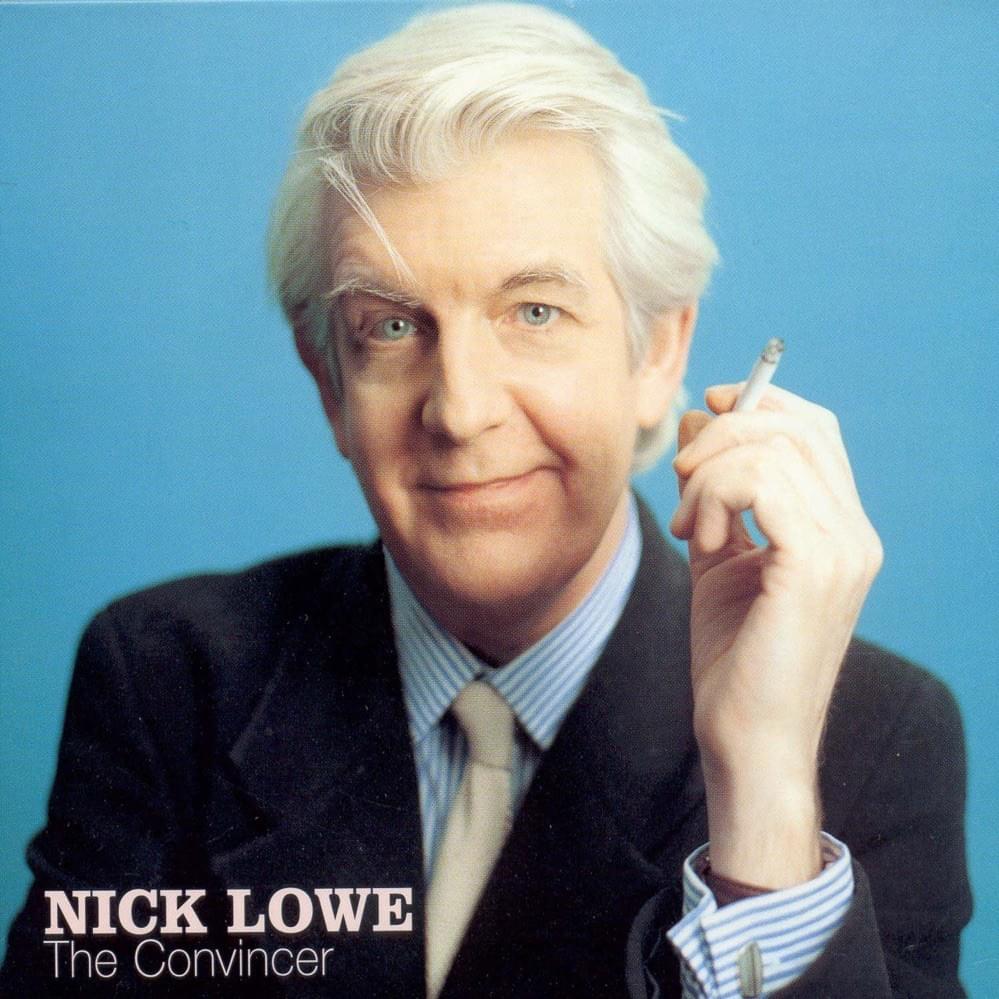
Nick Lowe's "Only a Fool Breaks His Own Heart" is a masterclass in self-inflicted romantic torment, a tight three-minute tour of denial and the slow burn of heartbreak. The song meaning resides not in grand gestures of love, but in the quiet, persistent ache of knowing you're on the losing side. Lowe isn't railing against fate or a cruel lover; he's indicting his own stubborn refusal to accept reality. The opening lines, "Why do I go on fooling myself / When I know you love somebody else," set the stage for a brutal internal reckoning. It's the fool's errand of clinging to a narrative that's already crumbled. He sees her with another, yet he 'pretends' he doesn't - a classic, if painful, coping mechanism.
The chorus, a mournful refrain, underscores the central theme: the active role the narrator plays in his own suffering. It's not just heartbreak; it's *self*-breakage. There's a subtle but crucial difference. While many songs explore the agony of unrequited love, Lowe's lyrics delve into the psychology of prolonging that agony. The bridge offers a glimmer of hope, a grudging acknowledgement that "If I'm a man, I'll let you go." But the repetition of the chorus afterwards reveals the difficulty in translating awareness into action. He knows what he *should* do, but the pull of the false hope is too strong.
Ultimately, "Only a Fool Breaks His Own Heart" resonates because it captures a universal, if unflattering, aspect of the human condition. We've all been that fool, clinging to the wreckage of a relationship long after the last ember of hope has died. The song's power lies in its stark honesty and its unflinching portrayal of the internal battle between reason and desire. Nick Lowe doesn't offer easy answers or cathartic release; he simply holds a mirror up to our own foolish hearts.
 View Artist