Song Meaning
Nick Lachey's "Because I Told You So" isn't charting new territory musically, but the raw emotional plea at its core resonates with anyone who's ever felt unheard in a relationship. The song pivots on a fundamental question of trust: If love is repeatedly professed and demonstrated, why does doubt persist? The lyrics paint a scenario of unwavering devotion – offering the sky, sacrificing oneself, shouldering blame – all in an attempt to pierce through a partner's skepticism. The central hook, "Because I told you so," isn't arrogant; it's an exasperated cry for acceptance based purely on the speaker's word, a desperate appeal to the foundational trust that should underpin any deep connection. It acknowledges the fragility of belief in the face of insecurity. The question is: can love alone be enough to overcome ingrained doubt?
Verse two cleverly flips the script, introducing the hypothetical of the singer remaining steadfast even if the partner admits to lying or loses their conventional beauty. This isn't just about receiving trust; it's about offering it unconditionally. The willingness to stay true regardless of circumstance underscores the depth of the commitment being offered. The lyrics tap into the core psychological need for reassurance in relationships. The repetition of the chorus emphasizes the cyclical nature of the argument – a constant push and pull between the need to express love and the frustration of not being believed.
The bridge, "And you take the wheel for now / 'Cause I'm too tired to drive this one home anyhow," provides a crucial moment of vulnerability. It suggests emotional exhaustion, a surrender to the constant battle for validation. The speaker is spent, handing over control, perhaps hoping that the partner will finally understand the weight of the emotional burden. The outro, with its simple request to be believed when his name is mentioned, is a poignant reminder of the lasting impact of doubt. It underscores the song's central theme: the enduring power of trust, or the devastating consequences of its absence, in shaping our relationships and our memories.
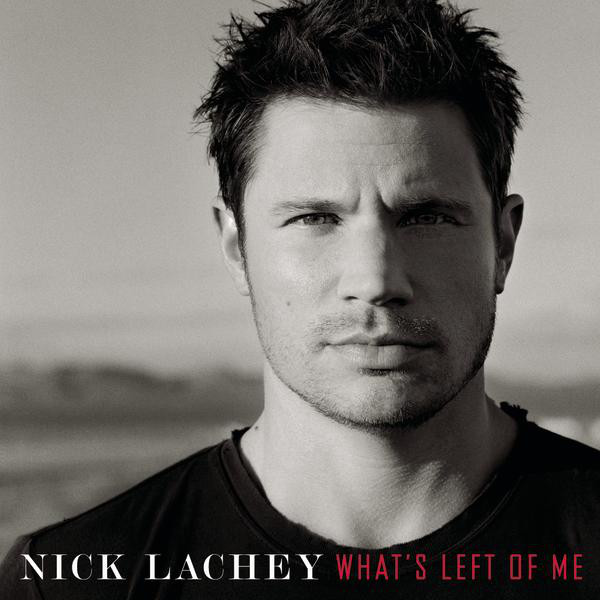
 View Artist