Song Meaning
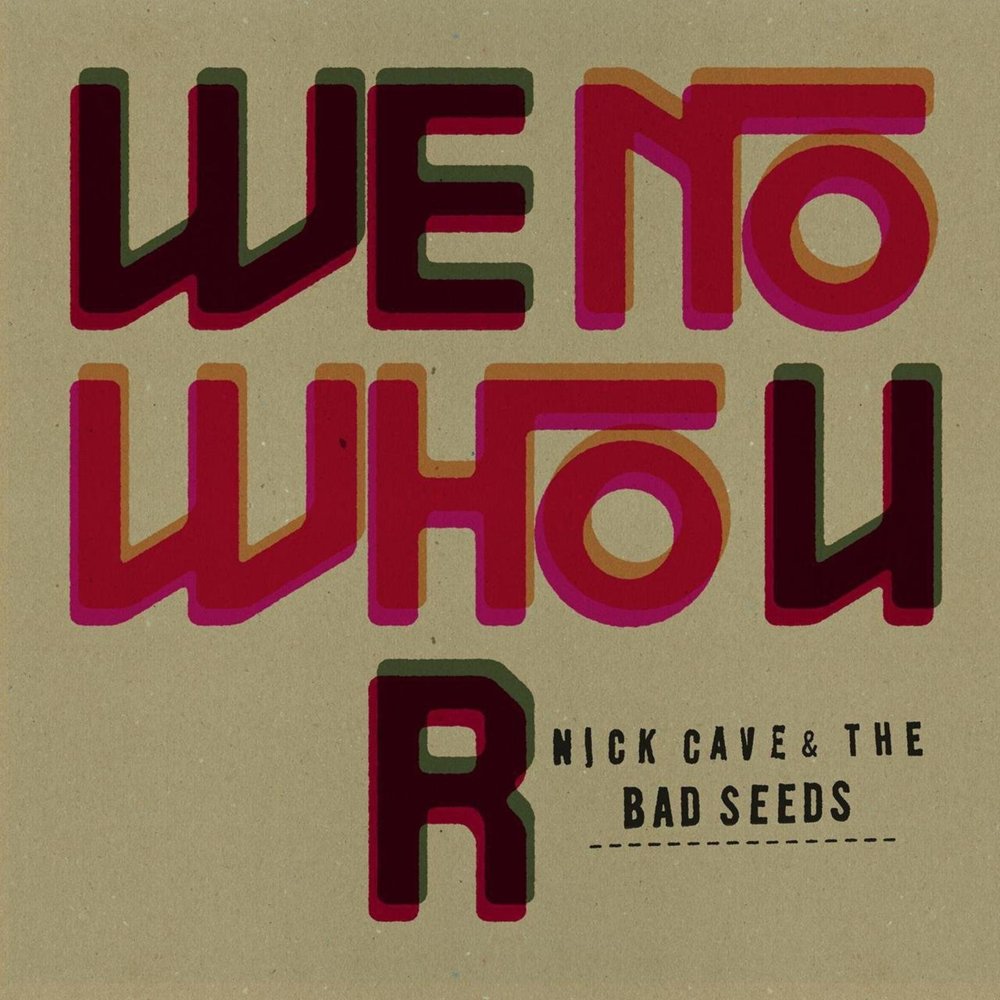
The lyrics paint a picture of an indifferent natural world contrasted with a group that seems to possess a quiet, knowing resignation. "The tree don't care what the little bird sings" immediately establishes a sense of cosmic apathy, a theme reinforced by the recurring image of "we go down with the dew in the morning light." This suggests a cyclical, perhaps inevitable, process of existence and dissolution, where individual actions or songs hold little sway over the larger, unfeeling forces of nature. The repeated phrase "We no who u r" in the outro, though not explicitly in the verses, strongly implies a collective awareness, a shared understanding of identities and perhaps transgressions, that is met with a peculiar lack of judgment. This creates a striking tension between the vast indifference of the environment and the intimate, knowing gaze of the "we."
The central emotional undercurrent seems to be one of acceptance, bordering on a profound surrender. The chorus, "And we breathe it in / There is no need to forgive," is repeated with an almost liturgical cadence, suggesting a deliberate choice to absorb whatever comes without the burden of judgment or reconciliation. This isn't necessarily a passive state; rather, it appears to be an active embrace of a reality where forgiveness is rendered obsolete by the sheer scale of events or the nature of existence itself. The imagery of trees as "pleading hands" in Verse 2 adds a layer of pathos, hinting at a struggle or a silent plea from the natural world that the "we" observes but does not necessarily engage with in terms of intervention or judgment.
The most potent craft element is the stark contrast between the natural imagery and the human-like pronouncements of the chorus and outro. The "tree" and "dew" represent a world that simply *is*, unconcerned with human drama. Yet, the "we" observes, knows, and chooses not to forgive, implying a complex internal state or a shared history. The shift in Verse 3, where "The trees will burn with blackened hands," introduces a darker, more destructive element, but the response remains the same: "We return with the light of the evening." This suggests that even in the face of destruction, the group's stance of knowing observation and non-judgment persists, highlighting their unique perspective on suffering and consequence.
Ultimately, the effectiveness of these lyrics lies in their evocative, almost abstract portrayal of a collective consciousness grappling with existence. The sparse, declarative statements, especially the repeated "we know who you are," coupled with the natural imagery, create a mood of somber introspection. It’s the feeling of witnessing something profound and inevitable without the usual human emotional baggage of blame or absolution. The lyrics invite listeners to consider a state of being where awareness doesn't necessarily lead to action or judgment, but to a quiet, pervasive understanding that transcends the need for forgiveness.
 View Artist