Song Meaning
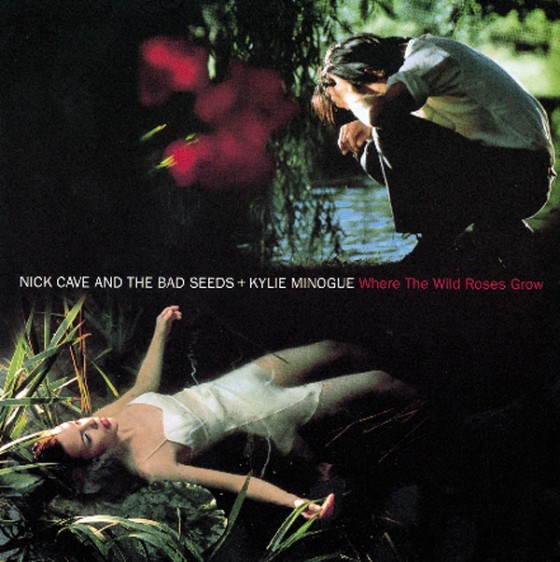
This ballad opens with a deceptively peaceful scene: a lover's meeting in a "willow garden." The narrator recounts sitting with his love, but the idyllic setting quickly sours as she falls asleep. The narrator then reveals a chilling act: he poisoned her with burgundy wine, a secret kept from his sleeping companion. This stark contrast between the romantic setting and the cold-blooded murder establishes the song's dark, narrative tone from the outset.
The central conflict arises from the narrator's motive, which he attributes to his father's teachings about money. "My father often told me that money would set me free," he states, directly linking his violent act to this perceived parental wisdom. The murder of Rose Connelly, a specific and named victim, underscores the brutal reality of his actions. The repetition of her name, especially in the final verse, emphasizes the weight of this deed and its inescapable consequence.
The most striking aspect of the lyrics is the narrator's detached, almost procedural recounting of his crimes. He describes drawing his saber and throwing her body into the river with a chilling lack of remorse, calling it "a dreadful sight" rather than a personal tragedy. This narrative voice, devoid of emotional turmoil during the act itself, makes the subsequent acceptance of his fate on the scaffold all the more impactful. The lyrics suggest a warped sense of logic where financial freedom justifies murder, leading inevitably to his own demise.
Ultimately, the effectiveness of these lyrics lies in their stark, unvarnished storytelling. The ballad doesn't shy away from the grim details, presenting a clear cause-and-effect: a father's influence, a murder, and a son's execution. The simple, repetitive structure and direct language amplify the horror, leaving the listener with a profound sense of the irreversible consequences of greed and violence.
 View Artist